How Durable Are Aluminum Lipstick Tubes?

Update:2026-05-15
Summary:

Aluminum lipstick tubes are among the most durable packaging options available in the cosmetics industry. When properly manufactured, an aluminum lipstick tube can withstand thousands of open-and-close cycles, resist everyday physical impacts such as drops and scratches, and maintain its structural integrity for the entire usable life of the product inside — typically two to three years. Compared to plastic alternatives, aluminum offers superior resistance to deformation, cracking, and UV degradation, making it an excellent long-term packaging investment for both brands and consumers.

This article breaks down exactly what makes aluminum lipstick tubes durable, what factors affect their lifespan, how they compare to other materials, and what surface treatments further extend their functional and aesthetic longevity.

What Makes Aluminum Inherently Durable as a Packaging Material

Aluminum's durability stems from a combination of physical and chemical properties that are well-suited to the demands of personal care packaging:

  • High strength-to-weight ratio: Aluminum alloys used in cosmetic packaging — typically in the 1000 or 6000 series — deliver tensile strength of 70–270 MPa while remaining lightweight. A typical lipstick tube weighs only 10–25 grams, yet resists bending and compression far better than an equivalent plastic shell.
  • Natural oxide layer: When aluminum is exposed to air, it forms a thin, stable aluminum oxide (Al₂O₃) layer on its surface automatically. This passive layer acts as a barrier against further oxidation and corrosion without any additional treatment, giving aluminum lipstick tubes inherent rust resistance.
  • Ductility without brittleness: Unlike glass or rigid plastics such as ABS, aluminum can absorb impact energy through slight deformation rather than fracturing. A dropped aluminum tube typically dents rather than shatters, keeping the contents protected even after accidental impacts.
  • Thermal stability: Aluminum retains its structural integrity across a wide temperature range — from below -20°C to above 120°C — without softening, warping, or becoming brittle. This makes aluminum lipstick tubes reliable in both hot climates and cold storage environments.
  • UV resistance: Unlike many polymers that degrade and discolor under prolonged ultraviolet exposure, aluminum is completely UV-stable. The surface finish may fade slightly over years of sun exposure, but the structural material does not weaken or crack.

Mechanical Durability: How Many Cycles Can an Aluminum Lipstick Tube Withstand?

One of the most practical measures of lipstick tube durability is cycle life — the number of times the mechanism can be opened, extended, retracted, and closed before functional degradation occurs. Aluminum lipstick tubes across different closure mechanisms perform as follows:

Closure Type Estimated Cycle Life Key Durability Factor Best Use Case
Snap Closure 3,000–5,000+ Aluminum snap ring tension stability Everyday use, mid-range products
Magnetic Closure 5,000–10,000+ No friction wear on closing mechanism Luxury, high-frequency users
Button / Push Mechanism 2,000–4,000 Spring and button wear rate Travel, compact designs
Twist / Screw Base 4,000–8,000 Thread precision and material hardness Standard lipstick applications

For context, a consumer who applies lipstick twice daily will complete approximately 730 open-and-close cycles per year. Even a conservatively rated aluminum tube with a 3,000-cycle snap mechanism would last well over four years of daily use — far exceeding the cosmetic product's shelf life.

Surface Treatments That Enhance Long-Term Durability

The base aluminum body is already highly durable, but the choice of surface treatment significantly affects how well the tube's exterior resists wear, abrasion, and environmental exposure over time. Common surface treatments applied to aluminum lipstick tubes include:

Anodizing (Oxidation Treatment)

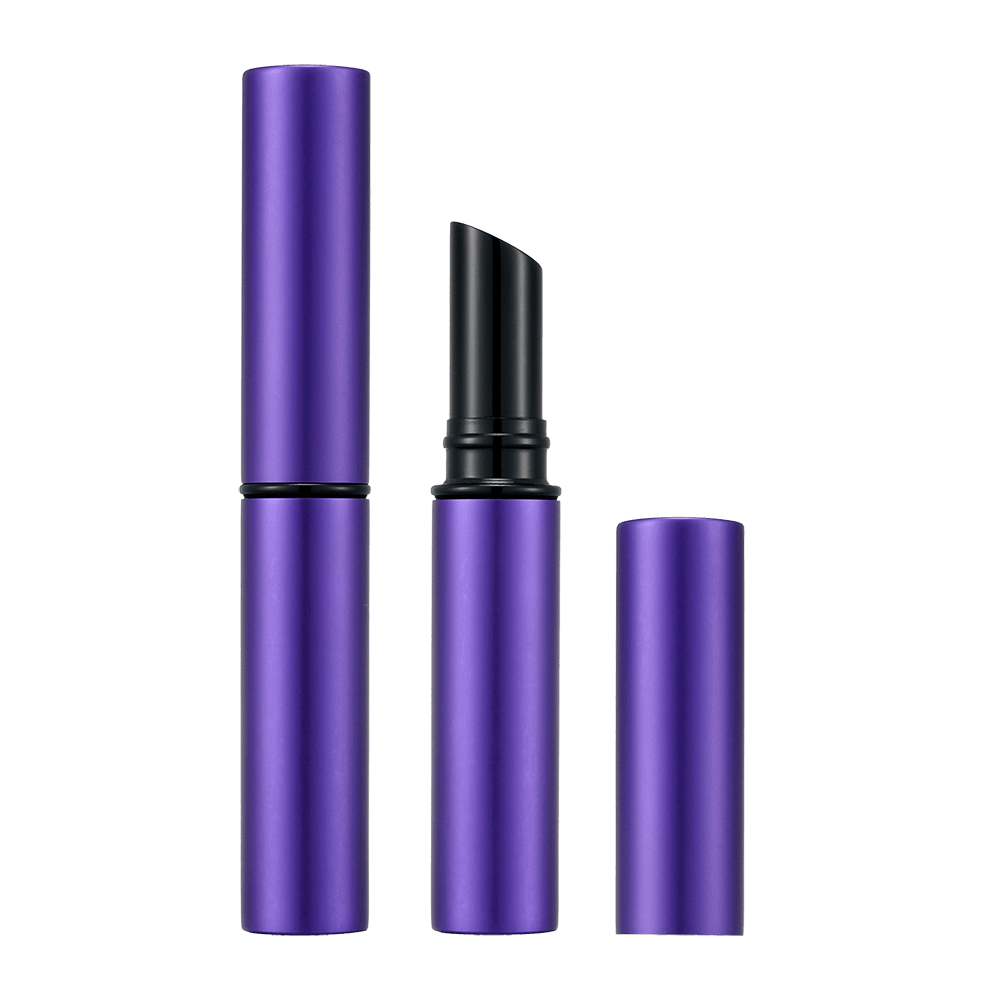
Anodizing is an electrochemical process that thickens and hardens the natural aluminum oxide layer. Standard anodizing produces a surface layer 5–25 microns thick, while hard anodizing can produce layers up to 50–100 microns. Anodized surfaces achieve a hardness of up to Rockwell 70 (HRC) — harder than most tool steels — making the tube highly scratch-resistant. The anodized layer is also fully integrated into the aluminum substrate, so it cannot peel or flake the way paint or plating can.

Electroplating

Electroplating deposits a thin metallic layer — typically chrome, nickel, gold, or rose gold — onto the aluminum surface. This enhances both the visual appearance and the corrosion resistance of the tube. Well-executed electroplating on aluminum withstands 500+ hours of salt spray testing (ASTM B117), a standard industry benchmark for corrosion resistance. The key durability variable is the adhesion of the plating layer; properly bonded plating resists peeling for the life of the product.

Painting and Powder Coating

Painted aluminum lipstick tubes receive multiple layers — typically a primer, a color coat, and a protective topcoat. UV-cured topcoats are especially resistant to fading and chipping, with pencil hardness ratings of 2H–4H (ASTM D3363), meaning the surface resists scratching by all but the hardest tools. Powder coating, while less common on small lipstick tubes, offers exceptional chip resistance and can be factory-tested via cross-cut adhesion tests (ASTM D3359).

Laser Engraving

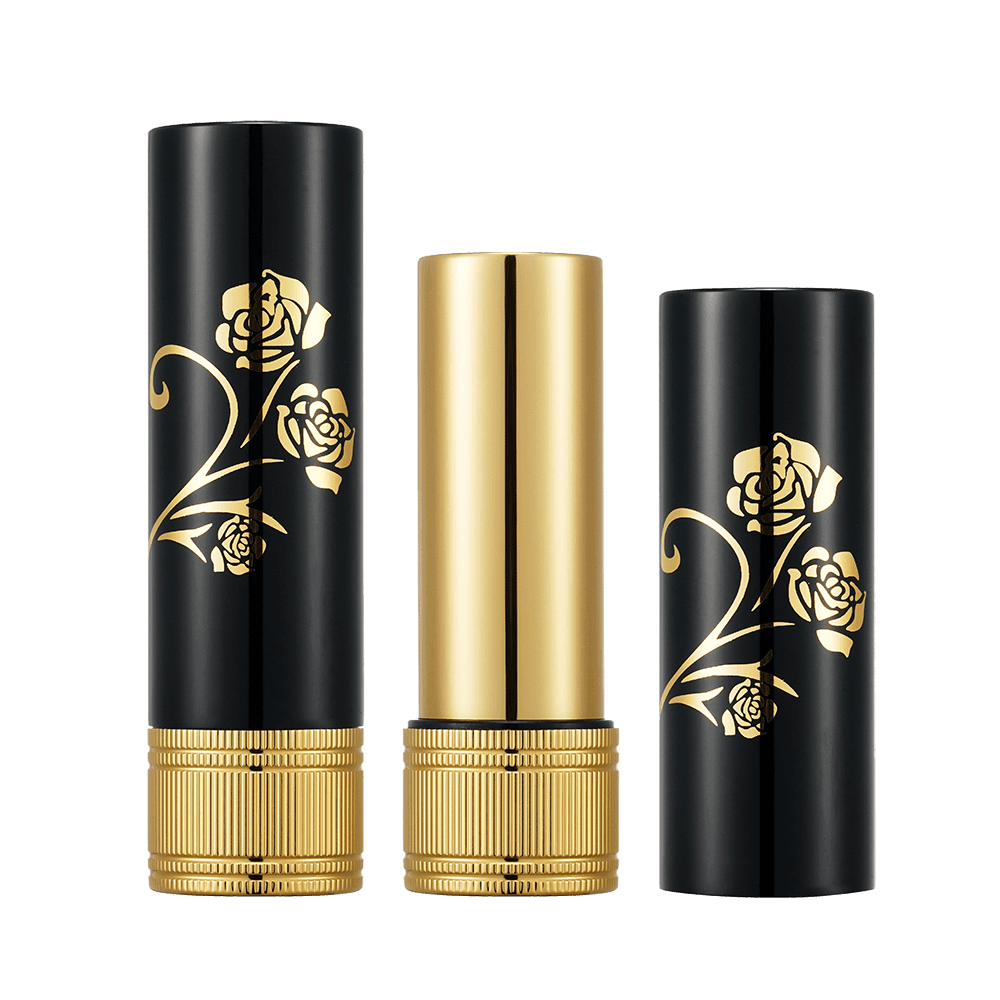
Laser engraving removes material from the aluminum surface to create patterns, logos, or text. Because the design is physically etched into the metal rather than applied on top, it cannot wear away, fade, or peel under normal use conditions. Laser-engraved markings on aluminum lipstick tubes are effectively permanent for the life of the packaging, making this the most durable decoration option available.

Secondary Oxidation and Silk Screen Printing

Secondary oxidation involves re-anodizing a previously anodized tube with a different color or finish, creating layered visual effects while maintaining full anodized hardness. Silk screen printing applies ink directly to the surface; when combined with a hard topcoat or anodized sealing, the printed design resists abrasion and daily handling well. Hot stamping (bronzing) and thermal transfer printing add decorative metallic or full-color elements, with durability depending on the topcoat used to protect the applied layer.

Aluminum vs. Plastic vs. Paper Lipstick Tubes: A Durability Comparison

Lipstick packaging is available in three primary material families. Each has distinct durability characteristics relevant to different use cases:

Durability Factor Aluminum Plastic (ABS / PP) Paper / Cardboard
Impact Resistance (drop) Excellent (dents, rarely breaks) Good (may crack or shatter) Poor (crushes easily)
Scratch Resistance Excellent (especially anodized) Moderate Poor
UV / Light Resistance Excellent Moderate (yellows / fades) Poor (discolors, weakens)
Moisture / Humidity Resistance Excellent Good Poor (absorbs, warps)
Temperature Stability Excellent (-20℃ to 120℃+) Moderate (softens above 60–80℃) Poor (warps in heat or humidity)
Mechanism Longevity 3,000–10,000+ cycles 1,000–3,000 cycles 500–1,500 cycles
Corrosion Resistance Excellent (natural oxide layer) Excellent (non-metallic) Poor (deteriorates when wet)
Recyclability Infinitely recyclable Limited cycles Compostable / recyclable

The data makes clear that aluminum is the strongest all-around performer in durability. Plastic offers a cost-effective alternative with acceptable performance in mild environments, while paper tubes serve niche eco-conscious markets where durability is a secondary concern.

Shape and Form Factor: How Round vs. Square Tubes Differ in Durability

Aluminum lipstick tubes are produced in both round and square profiles, and the geometry has a measurable effect on structural durability:

Round Aluminum Tubes

Cylindrical geometry distributes stress evenly across the entire circumference. When a round tube is dropped, the curved surface absorbs impact from any angle without creating high-stress concentration points. This makes round aluminum lipstick tubes more resistant to denting and deformation under impact than equivalent square designs. Round profiles are also easier to extrude and machine to tight tolerances, resulting in more consistent wall thickness and mechanism fit.

Square Aluminum Tubes

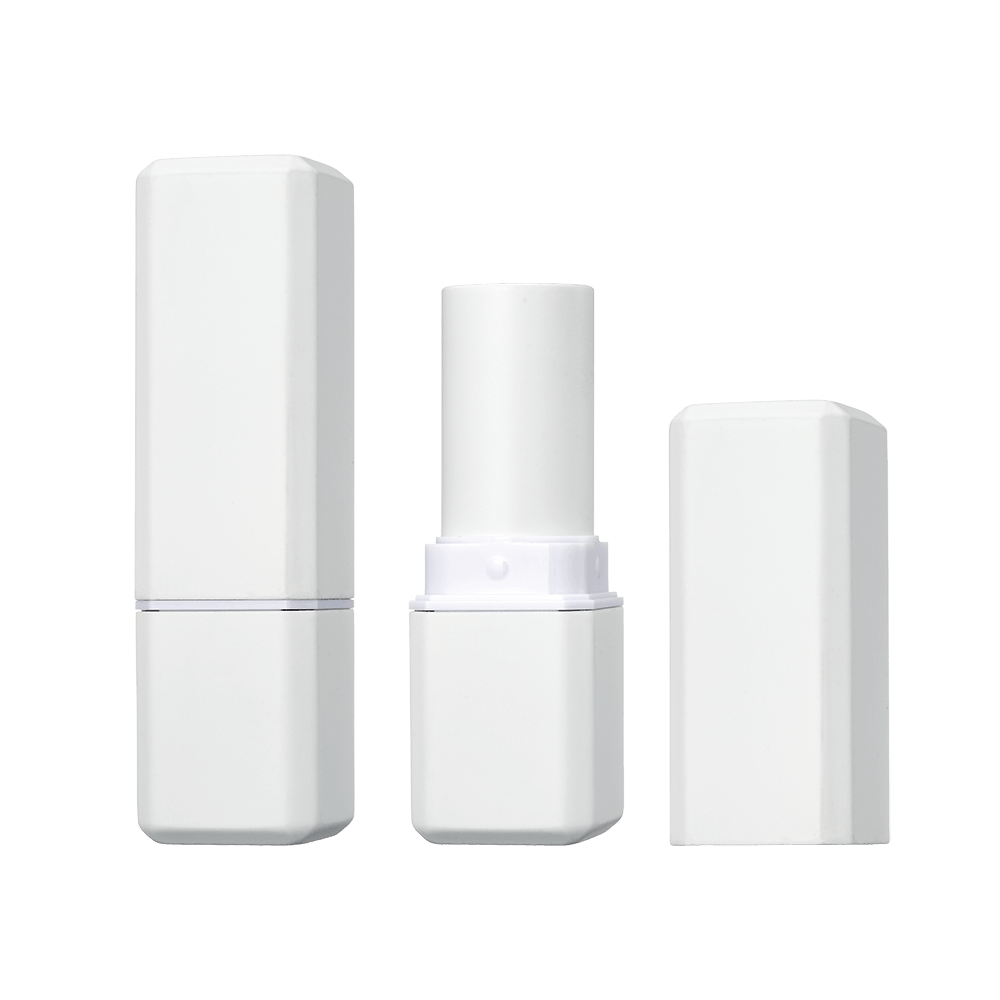
Square and rectangular aluminum lipstick tubes have sharp corners that concentrate stress during impacts, making corner denting more likely. However, flat faces provide larger surface area for decoration techniques such as laser engraving and silk screen printing, making them a popular choice for luxury or custom-branded products. The flat base of a square tube also provides a stable resting position, reducing the frequency of accidental drops during use. With adequate wall thickness — typically 0.8–1.5 mm for aluminum lipstick tubes — square tubes achieve satisfactory durability for premium product applications.

Factors That Affect the Lifespan of Aluminum Lipstick Tubes in Practice

While aluminum provides excellent baseline durability, real-world lifespan is also influenced by manufacturing quality, usage patterns, and storage conditions. The following factors determine how long a specific tube will remain fully functional:

  • Wall thickness: Thicker walls resist denting better. A tube with a 1.2 mm wall is measurably more impact-resistant than one with a 0.6 mm wall, though the thinner design is lighter and cheaper. Premium aluminum lipstick tubes typically use wall thicknesses of 0.8–1.5 mm.
  • Alloy grade: 6061-T6 aluminum has yield strength of approximately 276 MPa compared to 1100 series aluminum at around 34 MPa. The alloy choice dramatically affects dent and deformation resistance. Higher-grade alloys cost more but deliver significantly better performance in demanding applications.
  • Internal mechanism precision: The twist mechanism inside the tube relies on threaded or cupped components. Tight manufacturing tolerances — typically ±0.05 mm on critical dimensions — ensure smooth, consistent operation over thousands of cycles without jamming or stripping.
  • Cap fit and closure type: A loosely fitting cap can lead to the lipstick product drying out, but also exposes the tube mechanism to contaminants. Snap closures that click firmly into place, and magnetic closures that align automatically, both protect the mechanism better than loosely fitted caps over time.
  • Exposure to harsh chemicals: Most cosmetic formulations are harmless to aluminum. However, prolonged contact with highly acidic or alkaline substances (pH below 4 or above 9) can slowly attack the oxide layer. This is rarely a concern for lipstick formulas, which are typically pH 5–7.
  • Storage and handling environment: Aluminum tubes stored in humid environments without any surface treatment may develop surface oxidation over long periods. Anodized or coated tubes are fully protected against this. Extremely high temperatures — such as leaving a tube in a hot car — can soften the lipstick product and cause it to expand, potentially stressing the mechanism, even if the aluminum body itself is unaffected.

Durability Testing Standards Used in the Cosmetic Packaging Industry

Reputable manufacturers subject aluminum lipstick tubes to standardized durability testing before commercial release. Understanding these tests helps brands and buyers evaluate supplier quality claims:

Test Standard What It Measures Typical Pass Requirement
Salt Spray Corrosion Test ASTM B117 Corrosion resistance of surface treatment No corrosion after 96–500 hours
Pencil Hardness Test ASTM D3363 Surface scratch resistance of coating / finish 2H minimum for painted surfaces
Cross-Cut Adhesion Test ASTM D3359 Adhesion of paint or coating to aluminum Grade 4B–5B (less than 5% loss)
Drop Test ISO 2248 / custom Structural integrity after impact No fracture or mechanism failure from 1m drop
Cycle Life Test Manufacturer-defined Open/close mechanism longevity 3,000 cycles minimum with no functional failure
UV Aging Test ASTM G154 Color and finish stability under UV exposure No significant color shift after 200 hours
Rub / Abrasion Test ASTM D4060 Surface abrasion resistance of decoration No visible loss of print after 100 rub cycles

Asking suppliers to provide test reports against these standards is the most reliable way to compare durability across manufacturers and surface treatments before committing to a production order.

How Customization Options Interact with Durability

Aluminum lipstick tubes are available in a wide range of customizable configurations, and the choices made during the customization process directly affect the finished product's durability profile:

  • Anodizing color + laser engraving: This combination is the most durable decoration option available. The anodized layer provides a hard, scratch-resistant base, and the laser-engraved logo or pattern is physically cut into the surface — immune to fading, peeling, or abrasion. Recommended for products expected to have a long display life or to be refilled and reused.
  • Electroplating + clear topcoat: Gold, silver, or rose gold electroplating creates a premium metallic appearance with strong corrosion resistance. Adding a UV-cured clear topcoat over the plating significantly extends the scratch resistance of the plated surface. Without the topcoat, plated surfaces can show wear in high-contact areas after 6–12 months of daily use.
  • Hot stamping / bronzing: Metallic foil stamping onto painted surfaces is visually distinctive but has lower abrasion resistance than engraving or anodizing. Best used on tube areas that experience less direct contact, such as the body rather than the cap edge. A protective overcoat improves longevity significantly.
  • Silk screen printing: Screen-printed graphics on aluminum are durable when the ink is properly cured and sealed, but remain more vulnerable to abrasion than laser-etched designs. Multi-layer printing with UV curing achieves the best rub resistance in this category.
  • Thermal transfer printing: Allows full-color photographic-quality imagery on aluminum surfaces. Durability depends heavily on the laminate or topcoat used to protect the transferred image; unprotected thermal transfer prints are vulnerable to moisture and abrasion. With proper protection, they can match the durability of painted surfaces.
  • Magnetic closure choice: Upgrading from a snap to a magnetic closure eliminates the mechanical wear caused by cap engagement and disengagement forces over thousands of cycles. The trade-off is a small weight increase and higher unit cost. For products positioned in the luxury segment where long-term usability and user experience matter, magnetic closures represent a durability and quality upgrade.

Environmental Durability: Aluminum's Advantage in Challenging Conditions

Many consumers carry lipstick tubes in bags, pockets, travel kits, and gym bags — environments that expose packaging to heat, humidity, pressure, and impact on a daily basis. Aluminum lipstick tubes are specifically well-suited to these challenging conditions:

  • In a handbag: Keys, coins, and other hard objects constantly scratch and press against packaging items. An anodized aluminum tube maintains its appearance far longer than a painted plastic tube under these abrasive conditions.
  • In hot climates: At 45–50°C (as experienced in a parked car in summer), plastic lipstick tubes can soften and distort, compromising the mechanism. Aluminum retains full structural integrity at these temperatures.
  • In humid environments: Bathroom and tropical environments expose packaging to sustained moisture. Aluminum with anodized or electroplated surface treatment shows no surface degradation in standard bathroom humidity conditions indefinitely.
  • During travel: Aluminum tubes withstand the pressure changes, temperature swings, and baggage handling impacts of air travel without cracking, leaking, or deforming — a common complaint with thinner plastic tubes.

Durability and Sustainability: Why Aluminum's Longevity Is an Environmental Benefit

The durability of aluminum lipstick tubes is not just a functional advantage — it also has meaningful environmental implications. A tube that lasts longer needs to be replaced less often, reducing the total volume of packaging produced and discarded over time.

Additionally, aluminum is infinitely recyclable without loss of material properties. Recycling aluminum requires only about 5% of the energy needed to produce primary aluminum from bauxite ore. When a consumer refills an aluminum lipstick tube or recycles the empty packaging, the material retains its full value and quality in the next product cycle. This is in sharp contrast to most plastics, which degrade in quality with each recycling cycle and eventually become non-recyclable waste.

For brands building packaging programs around extended producer responsibility (EPR) regulations — increasingly common in the EU, UK, and major Asian markets — aluminum's combination of durability and recyclability makes it a strategically sound choice for the long term. A lipstick tube that outlasts the product, can be refilled, and is fully recyclable at end of life represents the highest standard of sustainable cosmetic packaging currently available at scale.