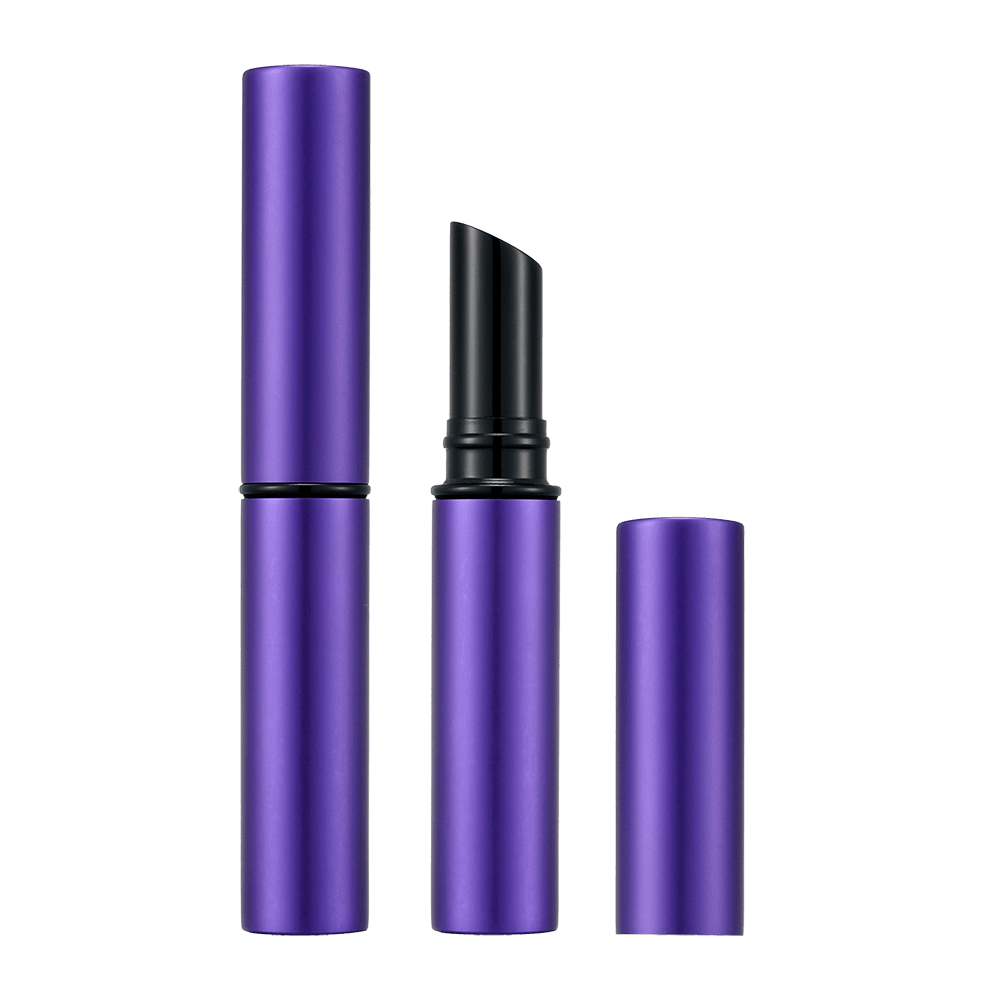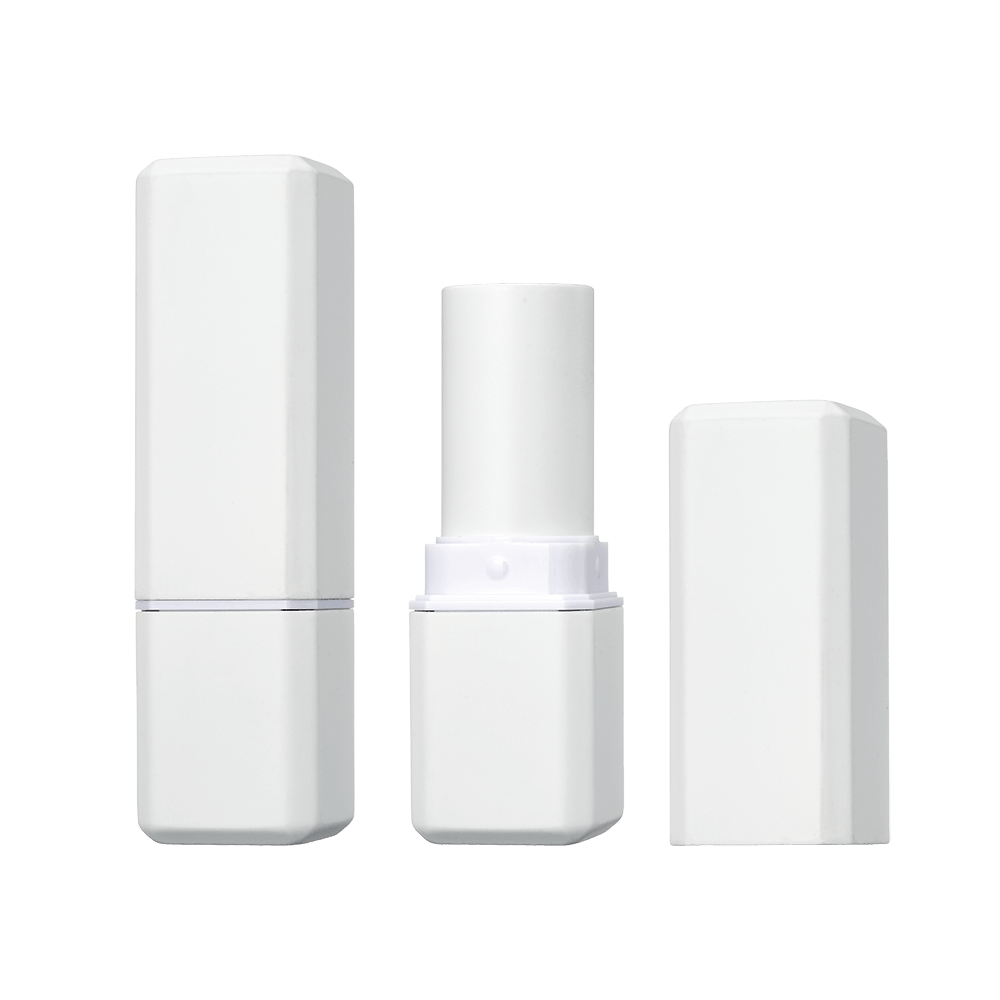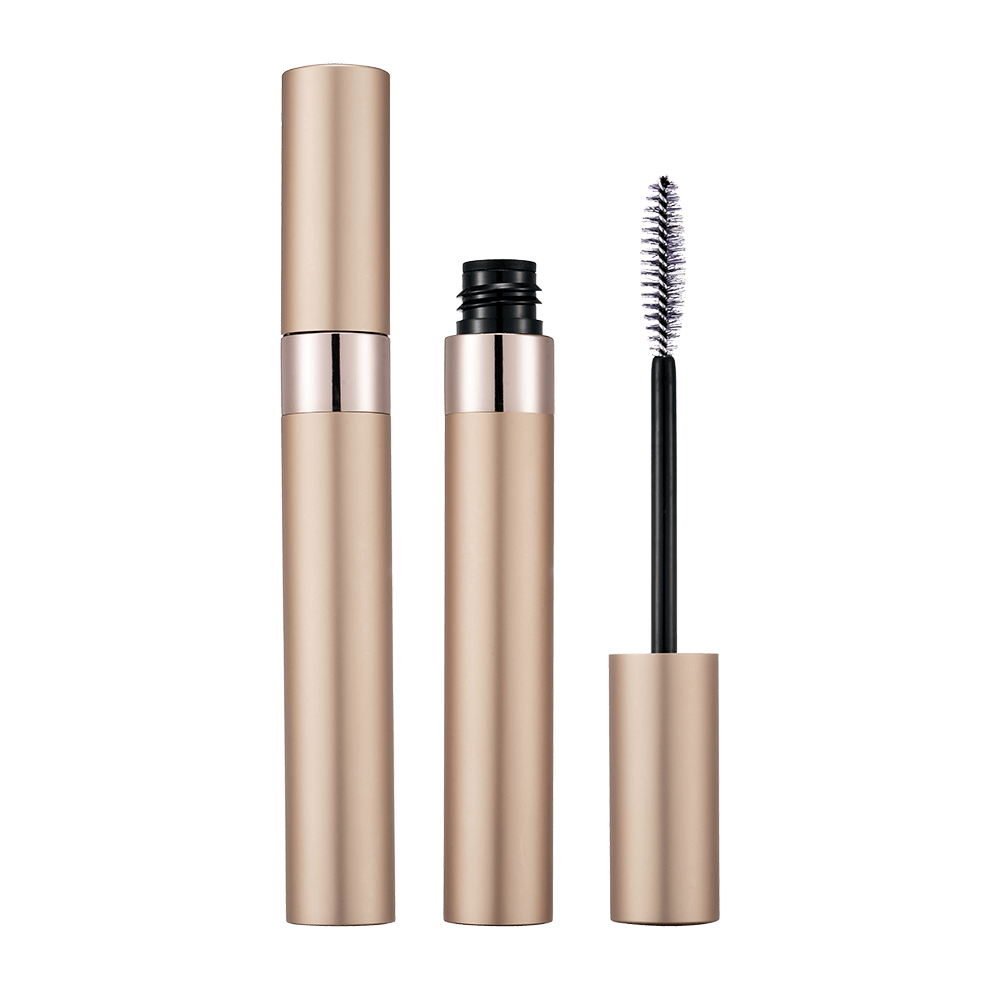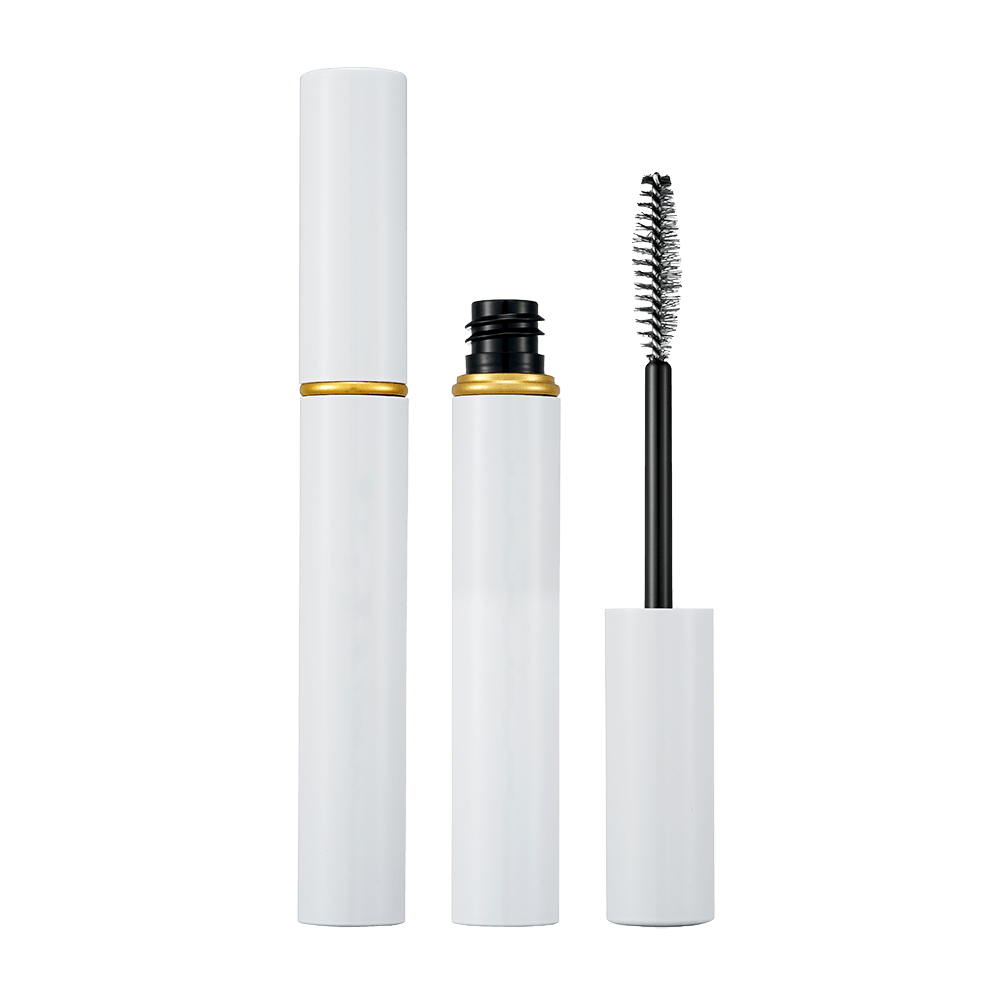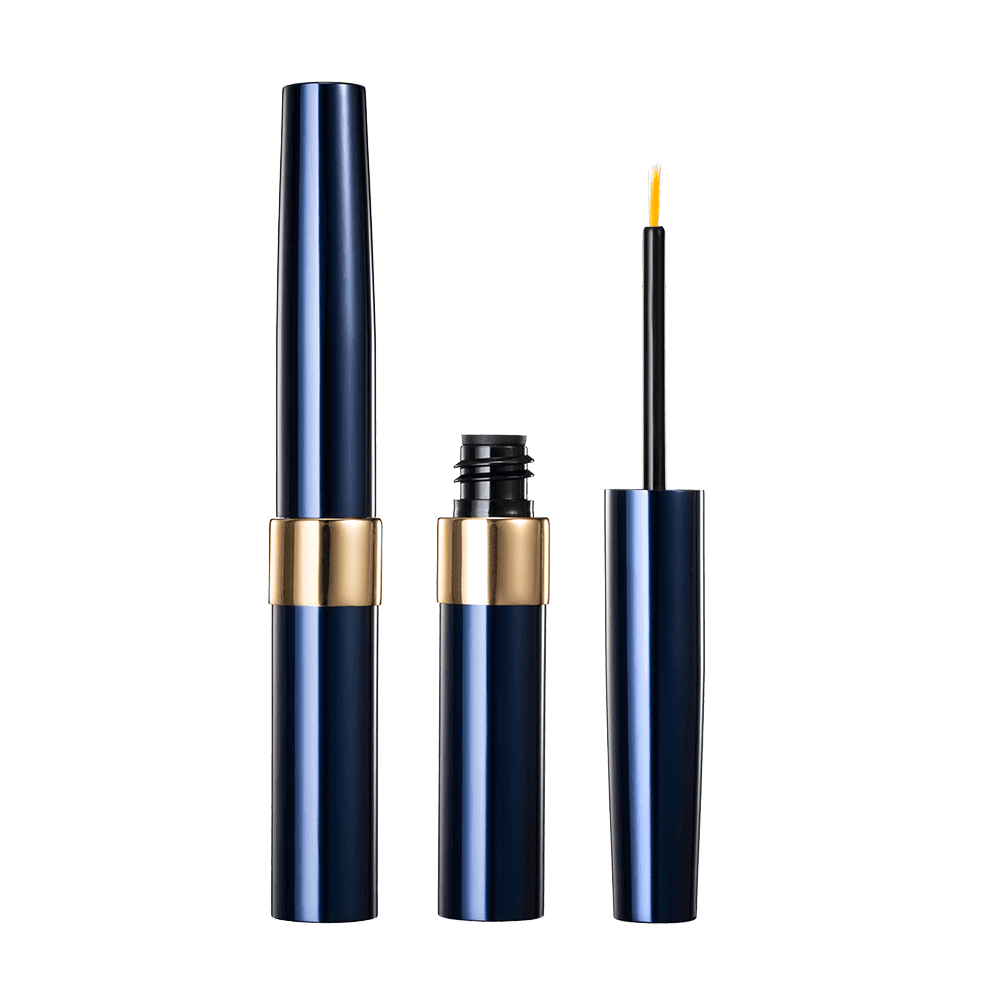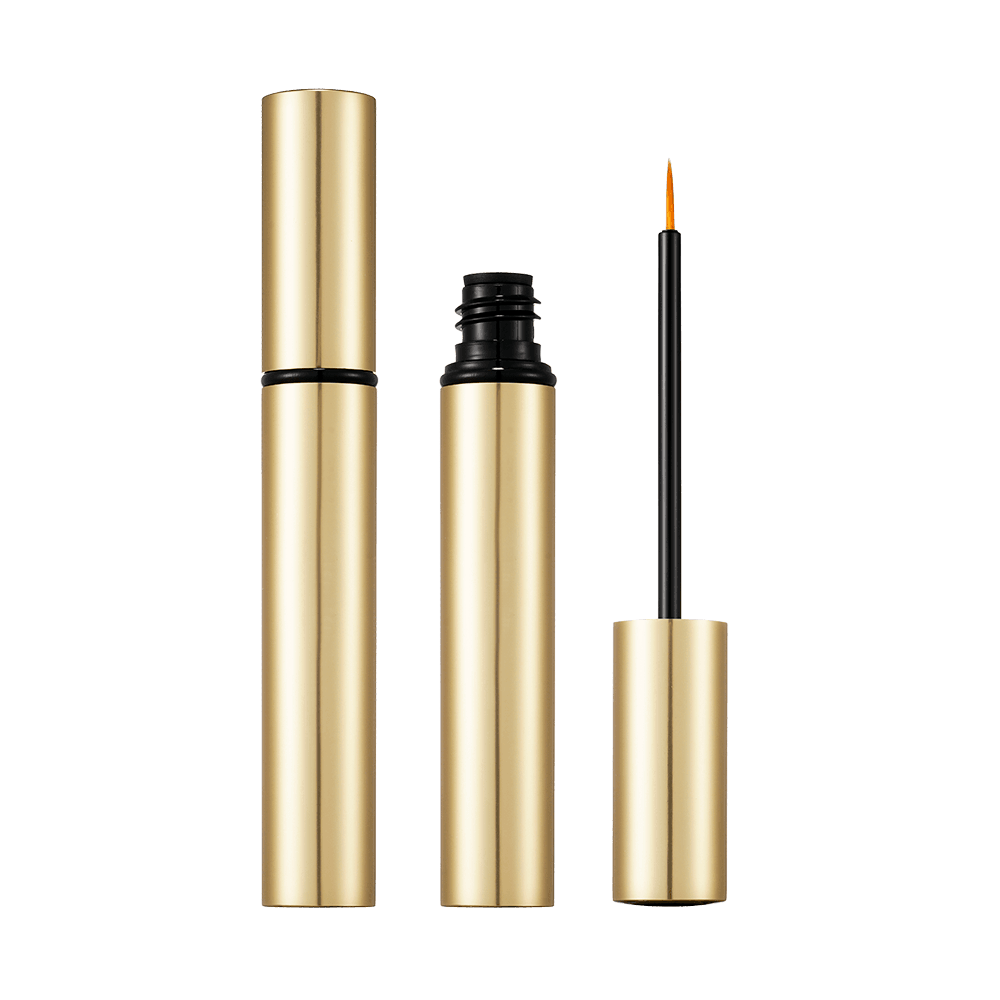

최선의 선택 마스카라 튜브 에 내려진다 4가지 핵심 요소: 소재, 기밀성, 브러시 디자인, 표면 마감 . 화장품 브랜드 소싱 포장이든 구성 요소 선택 제조자이든 이 네 가지 요소의 우선순위를 정하면 최종 제품이 포뮬러를 보호하고 안정적인 적용을 제공하며 소비자에게 올바른 브랜드 이미지를 전달할 수 있습니다.
이상적인 마스카라 튜브는 보편적인 표준이 아닙니다. 이는 목표 시장, 제형 점도, 원하는 미적 특성 및 생산량에 따라 다릅니다. 하지만 고성능 마스카라 튜브와 품질이 떨어지는 튜브를 구분하는 명확한 기준이 있으며, 이를 이해하면 선택 과정이 간단해집니다.
튜브 본체 재질은 가장 기본적인 선택입니다. 이는 내구성, 무게, 외관, 재활용성 및 포뮬라와의 호환성에 영향을 미칩니다. 두 가지 기본 범주는 알루미늄과 플라스틱이며 각각 뚜렷한 장점을 가지고 있습니다.
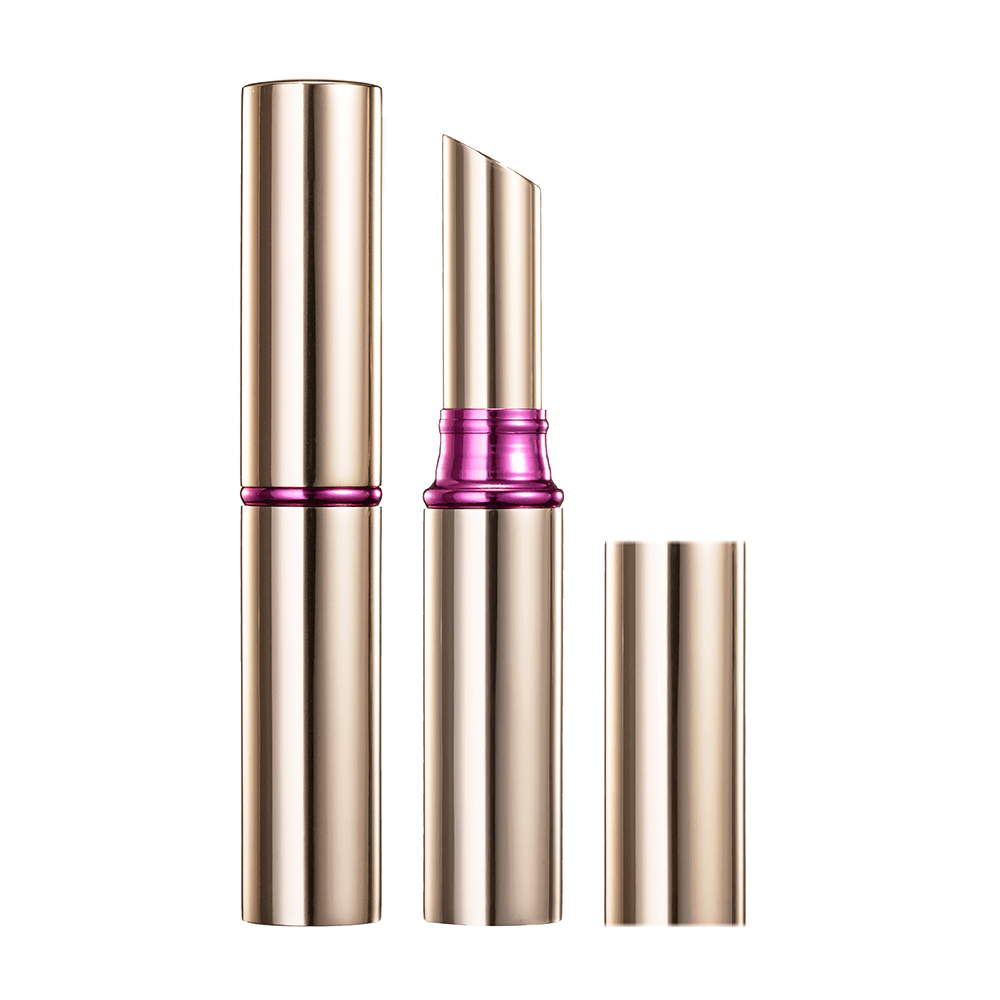
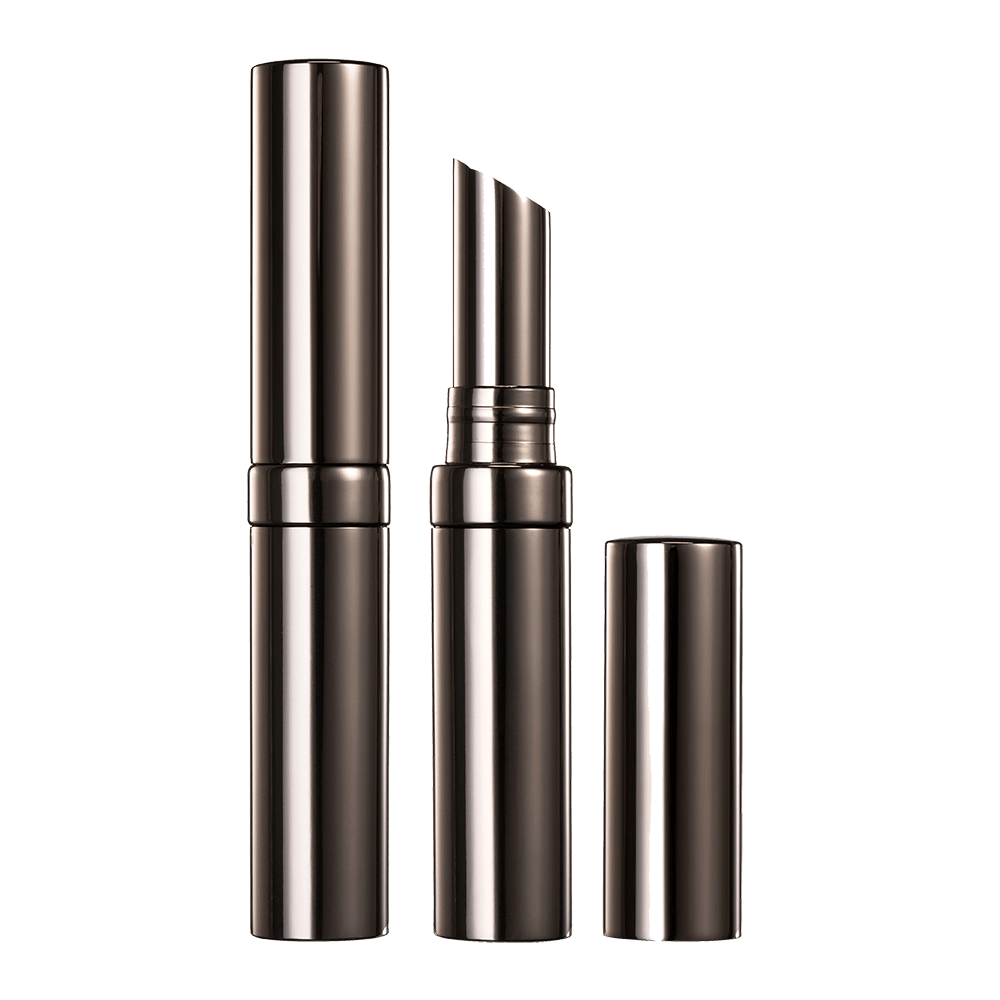
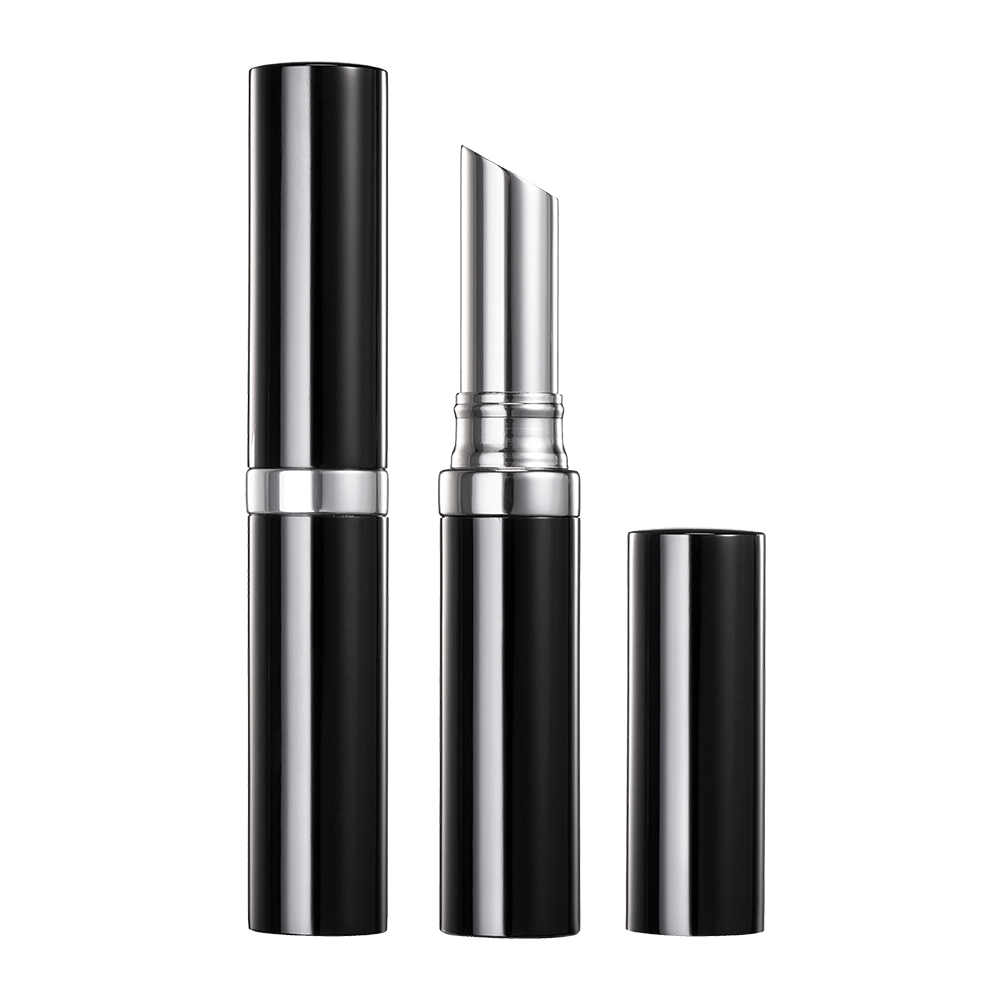
알루미늄 튜브가 선호되는 선택입니다. 프리미엄 및 럭셔리 화장품 라인 . 플라스틱보다 훨씬 더 높은 인식 가치를 제공하고 자연적으로 부식에 강하며 빛과 공기에 대한 탁월한 보호 기능을 제공합니다. 두 가지 모두 시간이 지남에 따라 마스카라 포뮬러를 저하시킬 수 있습니다. 알루미늄은 또한 완전히 재활용 가능하므로 지속 가능성에 초점을 맞춘 브랜드에게 점점 더 중요한 선택이 되고 있습니다.
알루미늄 튜브는 정사각형, 원형, 삼각형 및 맞춤형 기하학적 프로파일 등 다양한 모양으로 생산될 수 있어 브랜드 차별화에 상당한 유연성을 제공합니다. 알루미늄 표면은 아노다이징, 전기도금, 레이저 조각 등 다양한 마감 공정을 거치며, 각각의 공정은 플라스틱에서는 재현하기 어려운 독특한 외관을 만들어냅니다.
플라스틱 튜브는 그 특성으로 인해 대중 시장 화장품에서 지배적인 형식입니다. 낮은 단가, 더 가벼운 무게, 디자인 유연성 . 마스카라 튜브에 사용되는 일반적인 플라스틱으로는 PP(폴리프로필렌), ABS, PE 등이 있습니다. 각각은 강성, 내화학성 및 표면 인쇄 가능성의 서로 다른 균형을 제공합니다.
플라스틱 튜브는 사출 성형과 호환되므로 골이 있는 그립이나 질감이 있는 표면과 같은 복잡한 모양과 통합 기능을 대규모로 구현할 수 있습니다. 또한 소비자가 제품의 남은 양을 확인할 수 있도록 투명 또는 반투명 버전으로도 제공됩니다. 비용 효율성이 중요한 대량 생산의 경우 플라스틱이 여전히 실용적인 선택입니다.
| 요인 | 알루미늄 튜브 | 플라스틱 튜브 |
| 인지된 가치 | 프리미엄 / 럭셔리 | 대중 시장 |
| 단가 | 더 높음 | 낮은 |
| 무게 | 무거움 | 라이터 |
| 모양 옵션 | 정사각형, 원형, 삼각형, 맞춤형 | 성형을 통한 높은 유연성 |
| 표면 처리 | 아노다이징, 전기도금 | 인쇄, 스프레이, 핫 스탬핑 |
| 재활용성 | 완전 재활용 가능 | 플라스틱 종류에 따라 다름 |
| 포뮬러 보호 | 우수함(빛과 공기 차단성) | 양호(벽 두께에 따라 다름) |

마스카라 튜브가 갖춰야 할 모든 기능적 특성 중, 밀폐력이 가장 중요해요 . 마스카라 포뮬러는 공기 노출에 민감합니다. 캡과 튜브 본체 사이의 씰에 약간의 누출이 있어도 열고 닫을 때마다 공기가 저장통으로 들어가게 되어 포뮬러가 의도한 유통기한보다 훨씬 빨리 건조되고 걸쭉해지고 덩어리지게 됩니다.
고품질 마스카라 튜브는 일관되고 긴밀한 밀봉 이는 튜브의 사용 수명 동안 공기 유입과 제품 증발을 모두 방지합니다. 이는 각 인출 시 막대를 청소하고 캡을 교체할 때 튜브를 밀봉하는 정밀하게 설계된 와이퍼 어셈블리(튜브 입구 내부의 고무 또는 실리콘 링)를 통해 달성됩니다.
불량한 기밀성은 마스카라 제품이 사용되기 전에 건조된다는 소비자 불만의 주요 원인 중 하나입니다. 고품질 와이퍼 어셈블리를 지정하는 것은 최종 사용자 만족도와 브랜드 평판을 크게 향상시키는 저렴한 업그레이드입니다.
막대 또는 어플리케이터라고도 불리는 마스카라 브러시는 제품에 대한 소비자의 경험을 가장 직접적으로 결정하는 구성 요소입니다. 브러시 모양, 강모 유형 및 코어 재료는 모두 마스카라가 속눈썹을 연장하거나, 볼륨을 부여하거나, 컬링하거나 분리하는 여부에 영향을 미칩니다. 포뮬러에 맞지 않는 브러시를 선택하는 것은 마스카라 개발에서 가장 흔하고 비용이 많이 드는 실수 중 하나입니다.
| 브러시 유형 | 1차 효과 | 최고의 포뮬러 페어링 | 이상적인 소비자 프로필 |
| 스트레이트 / 클래식 | 균일한 적용 범위, 정의 | 중간점도 | 평상복, 초보자 |
| 곡선/C자형 | 컬리프팅, 아이오프 효과 | 중간~두꺼움 | 일자형 속눈썹 종류 |
| 모래시계 / 테이퍼드 | 뿌리의 부피, 끝의 길이 | 중간점도 | 모든 속눈썹 종류 |
| 볼팁 / 마이크로 | 정밀하고 낮은 속눈썹 적용 | 묽은/저점도 | 세부 지향적인 사용자 |
| 볼륨화(밀집) | 최대 두께 및 충만도 | 두꺼운 / 섬유질 함유 | 굵은 속눈썹을 원하는 소비자 |
| 빗 / 분리 | 개인을 정의하고 구분합니다. | 얇음/빌드 가능 | 자연스러운 모습을 추구하는 사람들 |
대부분의 현대 마스카라 브러시는 나일론 강모나 성형된 플라스틱/실리콘 빗을 사용합니다. 나일론 강모 브러시가 포뮬러를 더욱 넉넉하게 집어넣고 도포하여 볼륨 효과에 적합합니다. 실리콘 또는 성형 플라스틱 막대는 스트로크당 더 적은 양의 제품을 운반하므로 더욱 깨끗하고 분리된 적용이 가능하며 마스카라를 길게 하고 정의하는 데 적합합니다.
는 브러시 전체의 강모 밀도 및 길이 변화 또한 중요합니다. 촘촘한 강모 패킹으로 더욱 풍성하고 볼륨감 있는 결과를 얻을 수 있습니다. 가변적인 강모 길이(중앙은 더 짧고 가장자리는 더 길기)는 짧은 속눈썹과 긴 속눈썹을 동시에 코팅하는 데 도움이 되어 여러 번 코팅할 필요성을 줄여줍니다.
는 core of the brush (the central spine around which bristles are wound or into which they are molded) should be rigid enough to prevent excessive flex during application, yet allow slight give for precise control. The total wand length — including the handle — affects ease of use. A 표준 지팡이 길이는 약 12~14cm입니다. , 대부분의 손 크기와 그립 스타일을 편안하게 수용합니다.
맞춤형 브러시 개발을 통해 브랜드는 브러시 헤드 길이, 직경, 강모 수, 강모 길이, 코어 강성 및 전체 막대 길이 등 모든 치수를 지정할 수 있습니다. 이러한 수준의 맞춤화를 통해 마스카라를 포뮬라와 의도한 소비자 경험에 고유하게 맞출 수 있습니다.
는 shape of a mascara tube is far more than a cosmetic decision. It affects how the tube sits on a vanity, how it is gripped during application, how it stands out on retail shelves, and how it communicates brand positioning at first glance.
는 three most widely produced shapes are:
이러한 표준 프로파일 외에도 맞춤형 툴링을 통해 타원형, 육각형 또는 비대칭 윤곽 형태를 포함한 완전한 맞춤형 형상을 얻을 수 있습니다. 맞춤형 툴링에 대한 투자는 일반적으로 생산량이 많을수록 가치가 있습니다. 10,000개 이상 , 단위당 툴링 비용이 크게 상각됩니다.
는 surface finish of a mascara tube is a primary driver of brand perception at point of purchase. A tube that looks and feels premium influences buying decisions and shapes how consumers experience the product before they even open it. Understanding the available surface treatment options helps brands make informed decisions that align with their visual identity and budget.
아노다이징 is an electrochemical surface treatment applied to aluminum that creates a 단단하고 영구적인 산화물 층 금속 표면에 직접 닿습니다. 그 결과 정상적인 사용 시 껍질이 벗겨지거나 깨지거나 긁힐 수 없는 마감 처리가 이루어졌습니다. 양극 산화 처리 마감은 진한 검정색, 보석 톤, 금속성을 포함한 다양한 색상으로 제공되며, 2차 산화 기술과 결합하여 인쇄 레이어 없이 튜브 표면에 직접 컬러 그래픽이나 텍스트를 삽입할 수 있습니다.
전기도금 deposits a thin metallic layer — typically chrome, gold, rose gold, or silver — over the tube surface. It produces a 거울처럼 밝은 금속 마감 명품화장품과 바로 연결되는데요. 전기도금된 마스카라 튜브는 상당한 시각적 무게를 지니고 있으며 프리미엄 가격대 인식을 제공합니다. 도금의 내구성은 공정 품질에 따라 달라집니다. 잘 수행된 전기도금은 정상적인 취급 하에서 12~24개월 동안 잘 유지됩니다.
스프레이 페인팅은 표면 처리 중 가장 넓은 색상 범위를 제공하며 알루미늄 및 플라스틱 튜브와 모두 호환됩니다. 무광택, 새틴 및 광택 마감 처리가 모두 가능합니다. 스프레이 페인트 위에 UV 또는 래커 탑코트를 바르면 긁힘 방지 기능이 크게 향상됩니다. 정기적으로 취급해야 하는 튜브에 강력히 권장됩니다. 고품질 마감 코팅이 적용된 스프레이 페인트 튜브는 일반적인 12~18개월 제품 수명 주기 동안 마감을 유지할 수 있습니다.
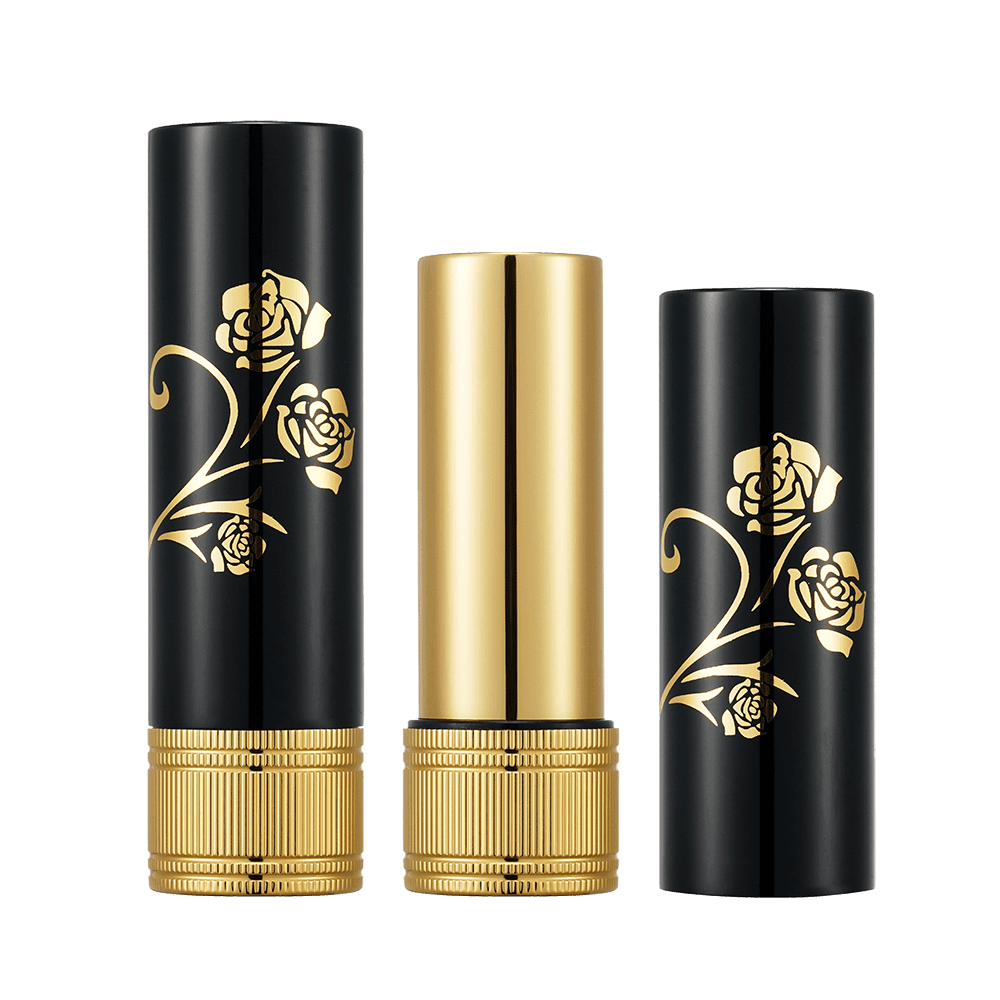
레이저 조각은 집중된 레이저 빔으로 튜브 표면에서 재료를 제거하여 정확하고 영구적인 패턴, 로고 또는 텍스트를 만듭니다. 양극산화처리된 알루미늄에 레이저 조각을 하면 착색된 양극산화층 아래의 밝은 알루미늄이 드러납니다. 선명한 고대비 투톤 디자인 마모될 수 있는 잉크나 필름이 없습니다. 이 기술은 촉각적인 질감이 프리미엄 경험을 더해주는 한정판 및 맞춤형 포장에 점점 더 많이 사용되고 있습니다.
| 치료 | 재료 호환성 | 내구성 | 미적 효과 | 최고의 대상 |
| 아노다이징 | 알루미늄 전용 | 우수 | 무광택 또는 새틴 메탈릭 색상 | 프리미엄/오래 지속되는 마감 |
| 전기도금 | 알루미늄, ABS 플라스틱 | 아주 좋음 | 거울 금속 광택 | 럭셔리한 매력 |
| 스프레이 페인팅 | 알루미늄, 플라스틱 | 양호 (탑코트 있음) | 전체 색상 범위, 무광택 또는 광택 | 색상 유연성, 모든 부문 |
| 레이저 조각 | 알루미늄(양극산화) | 영구 | 고대비 에칭 패턴 | 비스포크/한정판 |
모든 튜브가 모든 마스카라 포뮬라에 적합한 것은 아닙니다. 포뮬라의 화학적 조성은 튜브 재료, 와이퍼 및 모든 내부 코팅과 호환되어야 합니다. 비호환성으로 인해 제조법 분리, 품질 저하 또는 오염이 발생할 수 있으며, 이로 인해 제품 고장 및 소비자 불만이 발생할 수 있습니다.
주요 호환성 고려 사항은 다음과 같습니다.
항상 실시 안정성 테스트 — 일반적으로 가속 온도 조건(40°C / 50°C)에서 3~6개월 — 생산을 위한 튜브-공식 조합을 마무리하기 전. 이 테스트를 통해 호환성을 확인하고 실제 보관 조건에서 기밀성이 유지되는지 확인합니다.
진정한 차별화를 추구하는 브랜드의 경우 마스카라 튜브를 완벽하게 맞춤화할 수 있는 능력은 중요한 경쟁 우위입니다. 사용자 정의는 본체 모양, 캡 색상 및 마감, 와이퍼 사양, 브러시 유형, 표면 장식 및 브랜딩 방법 등 튜브의 모든 차원에 걸쳐 확장될 수 있습니다.
는 typical elements available for customization include:
개념부터 완성된 구성 요소까지 엔드투엔드 맞춤화를 제공하는 숙련된 제조업체와 협력하면 개발 시간이 크게 단축되고 최종 튜브가 독립적으로 공급되는 부품의 조립이 아닌 응집력 있는 시스템으로 설계될 수 있습니다.
실용적인 조달 고려 사항은 제품을 선택할 때 설계 사양만큼 중요합니다. 마스카라 튜브 . 최소 주문 수량(MOQ)과 생산 리드 타임을 이해하면 비용이 많이 드는 지연과 잘못된 기대를 방지할 수 있습니다.
처음부터 제품 출시 계획에 이러한 일정을 포함하세요. 마스카라 포장이 4~6주 지연되면 특히 계절적이거나 트렌드에 따른 출시의 경우 상당한 시장 진입 지연이 발생할 수 있습니다.
생산 주문을 하기 전에 브랜드는 다음 품질 기준에 따라 실제 샘플을 요청하고 평가해야 합니다. 샘플 단계에서 문제를 포착하는 것은 전체 생산 실행 후에 문제를 발견하는 것보다 비용이 훨씬 저렴합니다.
샘플이 이러한 모든 평가를 통과한 후에만 생산 주문을 해야 합니다. 샘플 검증을 건너뛰는 것은 비용이 많이 드는 생산 재작업 및 출시 지연의 가장 일반적인 원인입니다. 화장품 포장 산업에 종사하고 있습니다.