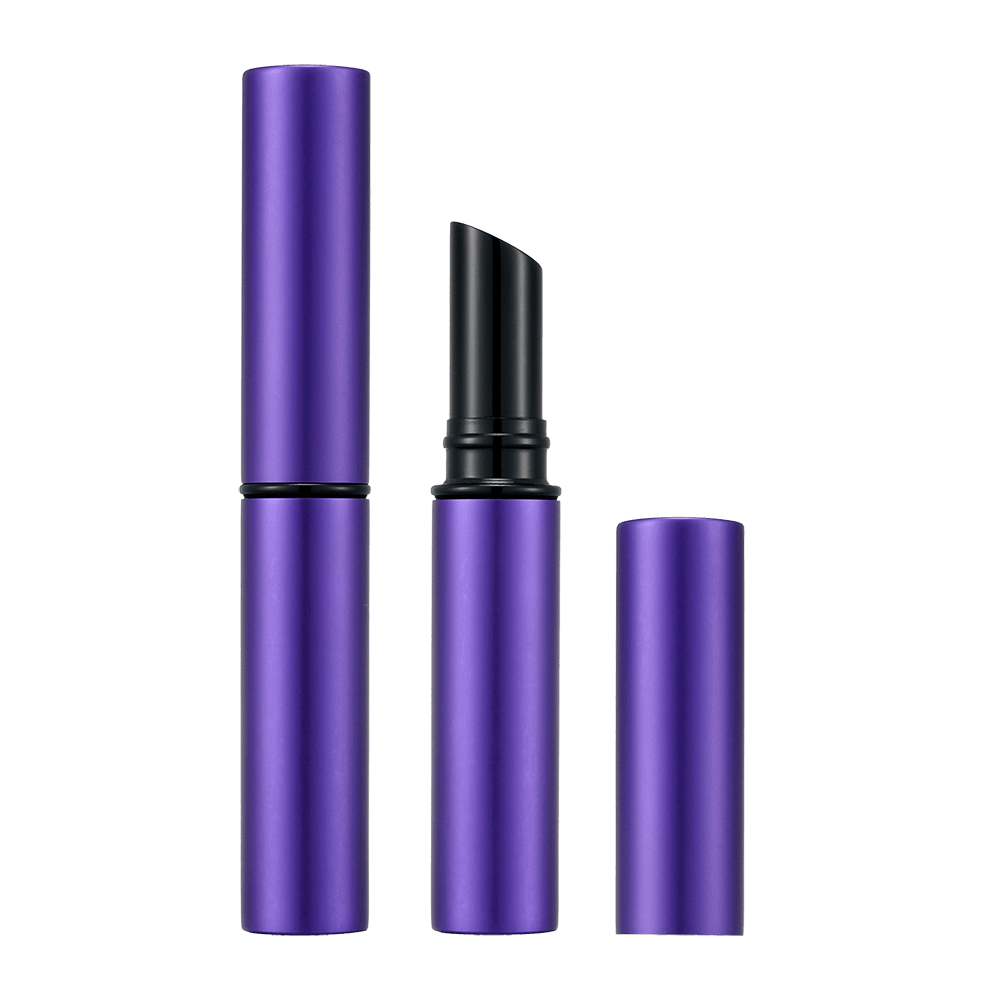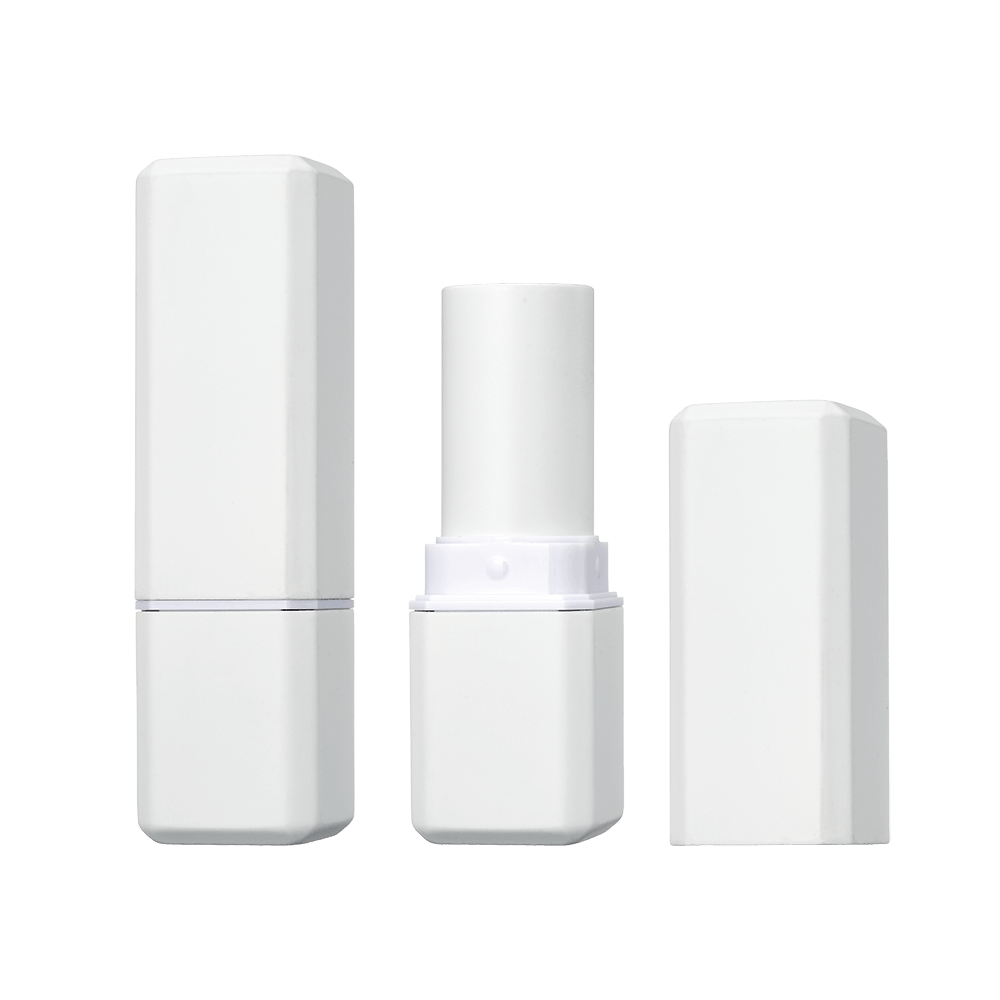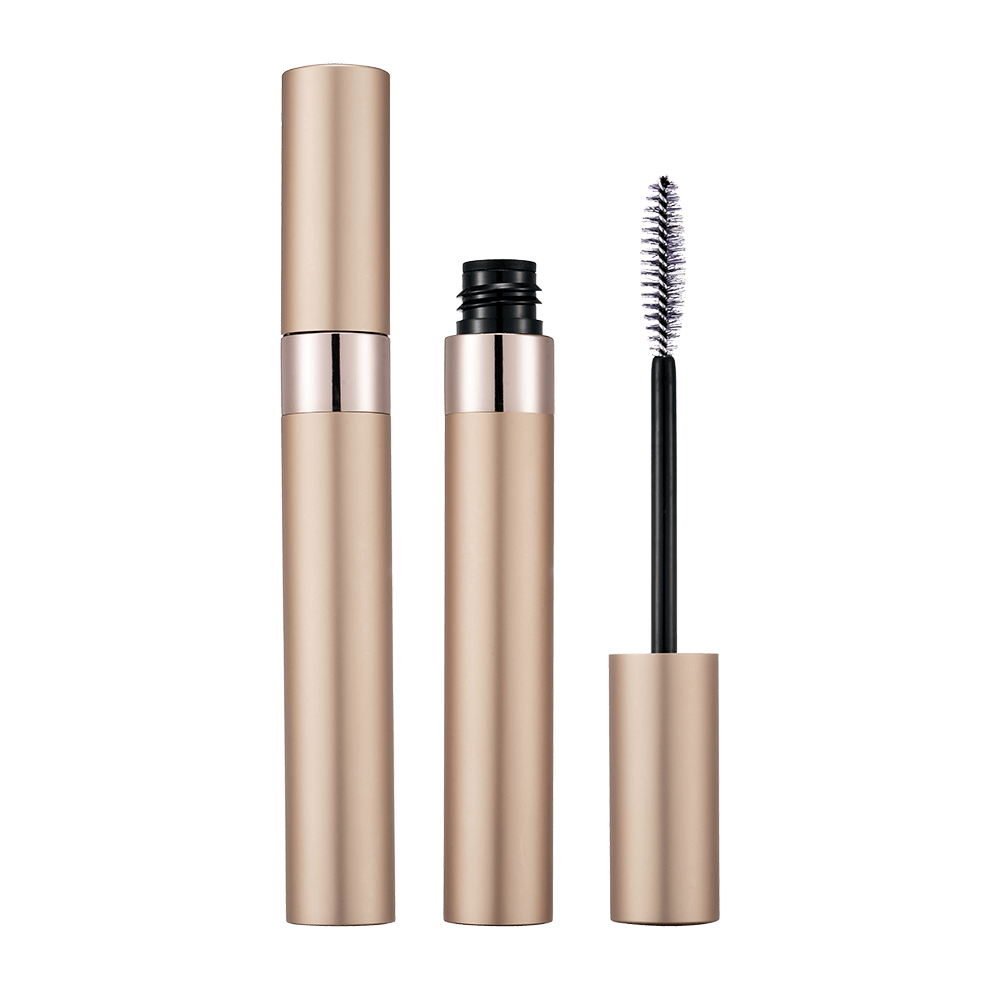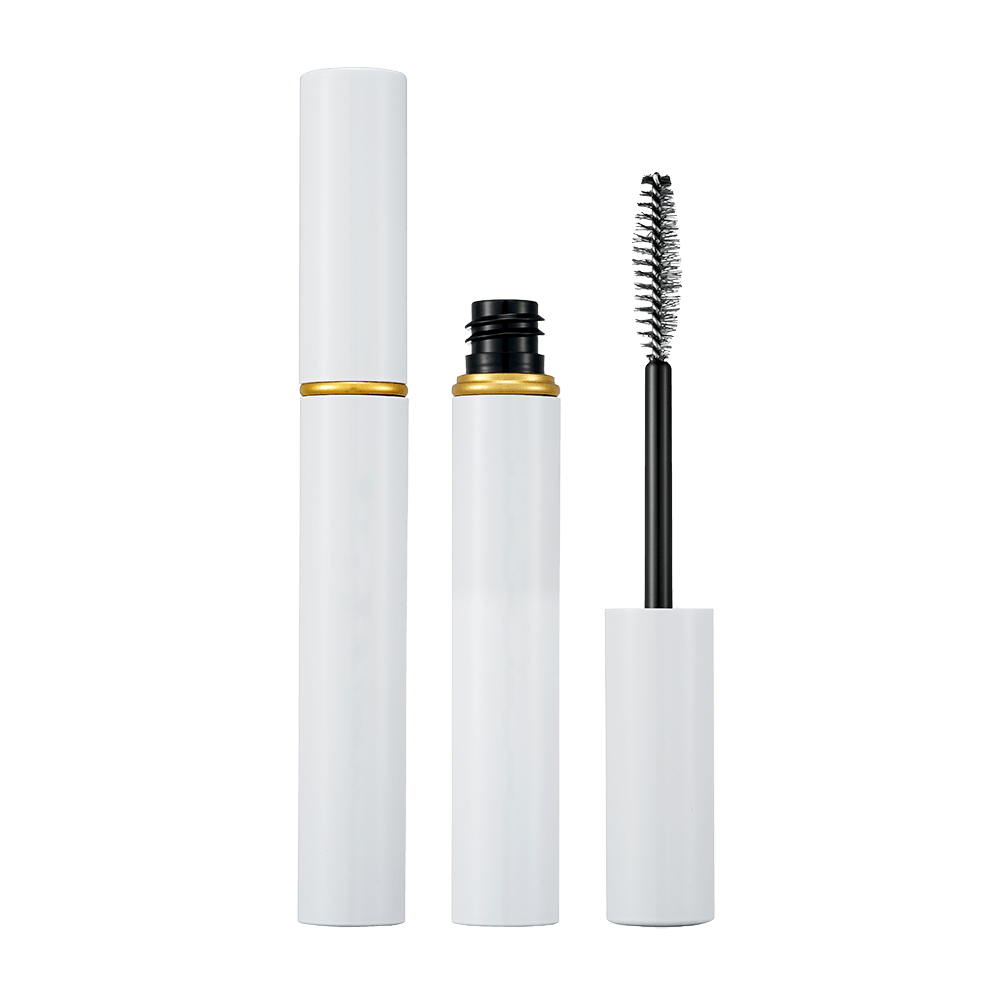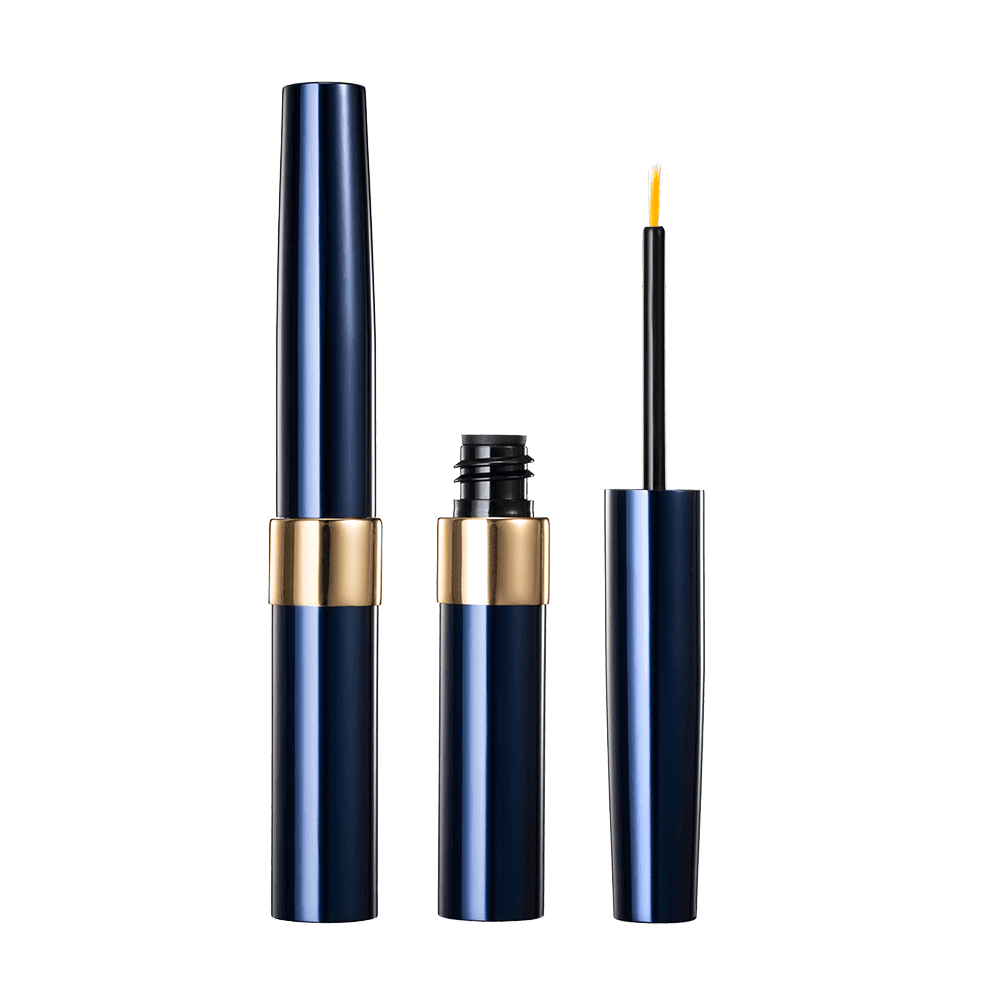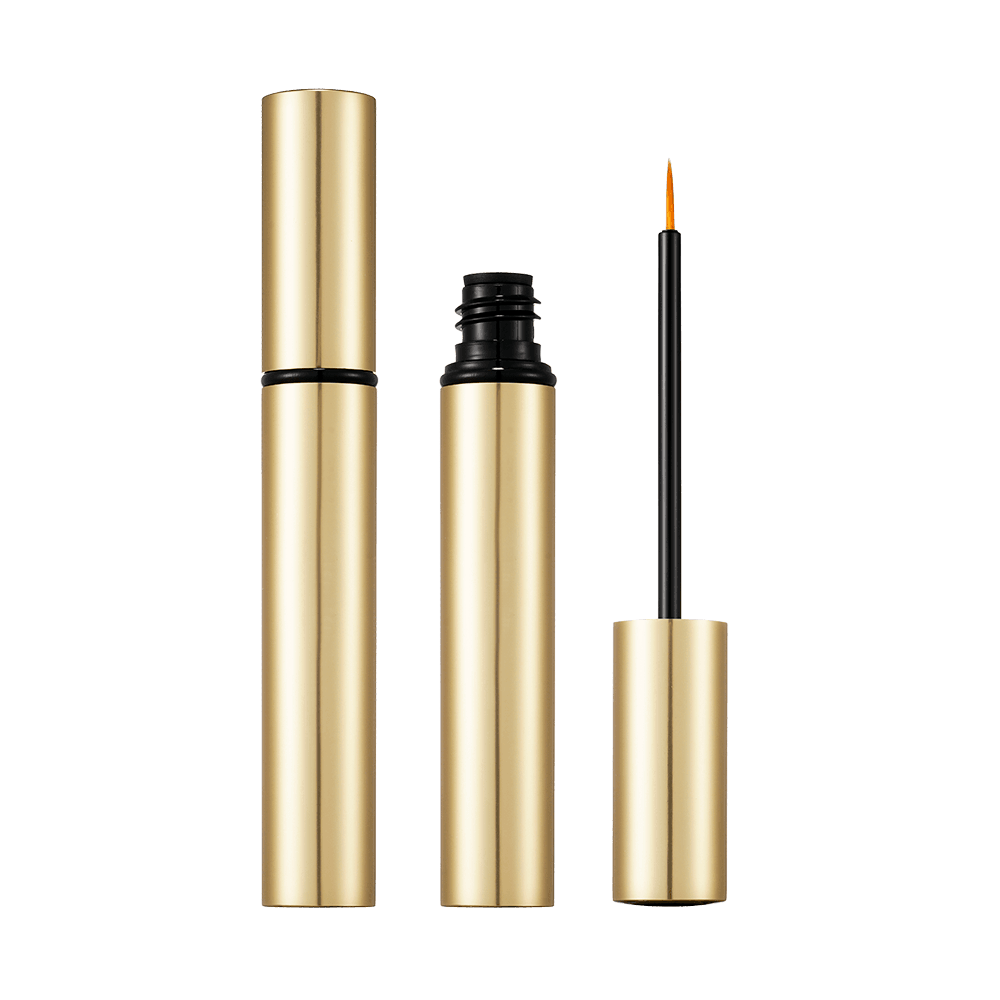
what is Empty Aluminum Mascara Tube?

Update:2026-06-12
Summary:

An empty aluminum mascara tube is a ready-to-fill cosmetic packaging component made from aluminum, designed to hold mascara formula before any product is added. It consists of a cylindrical or shaped aluminum body, a wand applicator with a brush tip, and a cap that seals the tube airtight. Cosmetic brands, private-label manufacturers, and formulators purchase these tubes in bulk, fill them with their own mascara formula, and label them for retail sale.

Unlike plastic mascara tubes, aluminum tubes offer superior barrier properties, a premium tactile feel, and strong sustainability credentials — aluminum is one of the most recycled materials on Earth, with a global recycling rate exceeding 75% in many markets. For brands that prioritize both aesthetics and environmental responsibility, empty aluminum mascara tubes have become an increasingly preferred packaging solution.

The term "empty" simply distinguishes unfilled packaging stock — sold to cosmetic manufacturers and brand owners — from finished consumer products. Understanding what these tubes are, how they are constructed, and what options are available is essential for anyone sourcing mascara packaging for a new or existing beauty brand.

Core Components of an Aluminum Mascara Tube

A complete empty aluminum mascara tube assembly is made up of several distinct parts, each playing a specific functional role. Understanding each component helps buyers specify exactly what they need and make informed comparisons between suppliers.

The Tube Body

The main barrel of the tube is the most visually prominent component. Aluminum tube bodies are available in a wide range of shapes, including round, square, oval, triangular, and custom geometric profiles. The body is typically formed from extruded or deep-drawn aluminum, giving it a seamless, smooth exterior ideal for surface decoration. Standard mascara tube capacities range from 6 ml to 15 ml, with 8 ml and 10 ml being the most common in the mass market.

The Cap

The cap closes the tube and houses the wiper — a rubber or silicone ring that removes excess product from the wand as it is pulled out. A well-engineered cap creates an airtight seal that prevents the mascara formula inside from drying out or oxidizing between uses. Aluminum caps can be matched to the tube body for a unified aesthetic, or contrasted for a two-tone design effect. Cap closure mechanisms include friction-fit, magnetic, and threaded styles.

The Wiper Insert

Housed inside the cap neck, the wiper is a critical functional component. It scrapes excess mascara off the brush each time the wand is withdrawn, controlling product application volume and preventing mess. Wipers are typically made from TPE (thermoplastic elastomer) or silicone, and their inner diameter is matched precisely to the brush used. A wiper that is too loose wastes product; one that is too tight impedes wand removal and shreds brush fibers.

The Wand and Brush

The wand is the handle that the user holds, attached to the brush tip that applies mascara to lashes. Wands are usually made from aluminum, nylon, or a combination, and the brush — which may be a fiber brush, molded plastic spoolie, or silicone comb — is where most of the application performance difference is experienced. Professional mascara packaging suppliers offer hundreds of brush styles, categorized by traits such as:

  • Lengthening brushes: Long, evenly spaced fibers that coat each lash from root to tip for a dramatic lengthening effect.
  • Volumizing brushes: Densely packed fibers or a wide barrel that deposits more product to build thickness and fullness.
  • Curling brushes: A curved or hourglass-shaped barrel that lifts lashes upward during application.
  • Separating brushes: Fine-toothed or widely spaced fibers that comb lashes apart to eliminate clumping.
  • Defining brushes: Tapered tips or micro-fiber tips for precise application to lower lashes and corner lashes.
  • All-in-one brushes: Combination-profile brushes designed to lengthen, curl, and volumize simultaneously.

The brush is arguably the most brand-differentiating element of the entire tube assembly. A unique brush shape that delivers exceptional application performance becomes a strong point of brand recognition and consumer loyalty.

Aluminum vs. Plastic Mascara Tubes: Key Differences

Both aluminum and plastic are widely used for mascara tube bodies, and each has a distinct set of advantages. The right choice depends on a brand's positioning, sustainability goals, target consumer, and production volume. The table below summarizes the most important differences:

Feature Aluminum Tube Plastic Tube
Barrier Properties Excellent — blocks light, oxygen, and moisture Good — varies by resin type and wall thickness
Recyclability Highly recyclable; recycled aluminum uses 95% less energy than virgin production Recyclable in theory; often not collected in practice due to mixed materials
Premium Perception High — metal finish conveys luxury and quality Moderate — depends heavily on finish quality
Surface Decoration Options Anodizing, electroplating, laser engraving, spray coating Screen printing, hot stamping, UV coating, labeling
Weight Slightly heavier; adds to perceived quality Lighter; preferred for mass-market and travel sizes
Shape Flexibility High — round, square, oval, triangle, custom Very high — injection molding allows complex forms
Formula Compatibility Interior lacquer coating required for some formulas Broad compatibility; easy to select chemically inert resin
Minimum Order Quantity Typically 3,000–10,000 units for standard; higher for custom Often lower for standard stock molds

Available Shapes and Structural Configurations

One of the most compelling reasons to choose aluminum for mascara packaging is the flexibility of form. Aluminum can be extruded, drawn, or formed into a variety of cross-sectional profiles, giving brands a distinctive shelf presence that round plastic tubes cannot easily replicate.

Round Tubes

The classic mascara format. Round tubes are the most widely produced, easiest to manufacture, and most familiar to consumers. They roll smoothly on surfaces, fit easily into most cosmetic bags, and are compatible with the widest range of wand diameters. For brands entering the market, a round aluminum tube with a distinctive finish treatment is the lowest-risk starting point.

Square and Rectangular Tubes

Square tubes offer a modern, architectural aesthetic that stands out in a display of conventional round tubes. The flat sides provide more usable surface area for branding, labeling, or laser engraving. Square tubes do not roll off surfaces, making them more stable on countertops — a subtle functional benefit that consumers often appreciate.

Triangular and Geometric Tubes

Triangular cross-sections and other multi-faceted geometric profiles are increasingly popular in premium and niche beauty segments. These forms are genuinely unusual on the shelf and create immediate visual differentiation. Each facet of a triangular tube can carry its own graphic element, effectively tripling the branding surface compared to a round tube of the same height.

Oval and Ergonomic Profiles

Oval tubes combine the visual softness of a round profile with the surface-area advantage of a flat-sided form. They fit naturally in the hand during application and are perceived as more ergonomic than strictly cylindrical tubes. Many premium mascara brands use oval aluminum tubes to signal both usability and sophistication.

Custom Shapes

For brands with strong visual identities or flagship product launches, fully custom tube shapes are achievable through bespoke tooling. Custom cross-sections — inspired by a brand logo, a product concept, or a design trend — require new extrusion or drawing tooling, which typically adds lead time of 4–8 weeks and a tooling investment, but the resulting packaging can become an iconic brand signature that competitors cannot easily copy.

Surface Treatment Options and Their Visual Effects

The raw aluminum surface of a mascara tube is functional but visually neutral. Surface treatments transform it into a finished, branded product. Different processes yield dramatically different aesthetic results and have different durability, cost, and environmental profiles.

Anodizing (Oxidation Treatment)

Anodizing is an electrochemical process that thickens and hardens the natural aluminum oxide layer on the surface. The result is a durable, corrosion-resistant finish that is integral to the metal itself — it cannot peel or chip like paint. Anodized aluminum can be dyed in a wide spectrum of colors, from matte earth tones to vibrant jewel shades. The surface has a distinctive, slightly translucent depth that is immediately recognizable as premium metallic packaging. Anodized finishes typically withstand more than 1,000 hours of salt-spray testing without degradation.

Spray Coating (Powder Coat and Liquid Paint)

Spray coating applies a layer of paint — either liquid or powder — to the aluminum surface. This process offers the widest color range of any finish option, including gradients, soft-touch rubberized textures, metallic effects, pearlescent finishes, and matte or gloss variants. Spray coating is particularly useful when a brand requires an exact Pantone color match for a tube that must coordinate with other packaging components. A primer layer improves adhesion and corrosion resistance before the topcoat is applied.

Electroplating

Electroplating deposits a thin layer of a different metal — commonly chrome, gold, silver, rose gold, or copper — onto the aluminum surface through an electrochemical process. The result is a mirror-bright, highly reflective metallic finish that conveys maximum luxury. Electroplated mascara tubes are a hallmark of prestige beauty packaging, used in limited edition collections and high-end brand launches. Plating thickness is typically measured in microns; for cosmetic packaging, gold plating of 0.1–0.5 microns is standard for decorative applications.

Laser Engraving

Laser engraving uses a focused laser beam to ablate the surface material or alter its reflectivity, creating permanent, tactile designs directly in the aluminum. Logos, patterns, text, and intricate artwork can be engraved with sub-millimeter precision. Unlike printed or painted decoration, laser-engraved designs cannot be scratched off, making them ideal for premium products where longevity of branding is important. Laser engraving is often combined with anodizing or electroplating: the laser removes the outer finish layer to reveal a contrasting bare-metal or differently colored layer beneath.

Brushed and Satin Textures

Mechanical brushing creates a directional, linear texture on the aluminum surface, producing a matte-sheen effect commonly described as "brushed metal" or "satin." This finish hides minor handling marks better than polished surfaces, making it practical for everyday cosmetic use. Satin-brushed aluminum tubes are associated with clean, minimalist, Scandinavian-influenced brand aesthetics that are trending strongly across the beauty industry.

Surface Treatment Visual Effect Durability Best For
Anodizing Matte to semi-gloss, translucent metallic depth Excellent Everyday premium lines, sustainable collections
Spray Coating Any color, matte/gloss/soft-touch/gradient Good Exact color-matched brand packaging
Electroplating Mirror-bright, reflective metallic Good (handle with care) Prestige, limited editions, gift sets
Laser Engraving Precise tactile patterns and text Permanent Logo detail, anti-counterfeit branding
Brushed / Satin Directional matte sheen Very Good Minimalist, clean-beauty aesthetics

Why Airtightness Matters in Mascara Tube Design

Mascara is one of the most formula-sensitive cosmetic products. Its performance depends entirely on maintaining the correct viscosity and moisture balance inside the tube. When air enters the tube — either through a poorly fitting cap or a loose wiper — the formula begins to dry out, thicken, and eventually become unusable. This is not just a consumer inconvenience; dried mascara is associated with flaking on the lashes, eye irritation, and bacterial contamination risk.

A well-engineered aluminum mascara tube provides exceptional airtight performance for three reasons:

  • Seamless aluminum body: Unlike some plastic tubes that are assembled from multiple injection-molded pieces, a drawn aluminum tube body has no seams along its length, eliminating a common air ingress path.
  • Precision-molded wiper: The wiper inside the cap is manufactured to tight tolerances matched to the wand diameter, creating a consistent seal on every insertion and withdrawal.
  • Tight cap-to-tube tolerance: Aluminum allows for very consistent dimensional tolerances during manufacturing, meaning cap-to-tube fit is more reliable than with plastic, which is subject to greater shrinkage variability after molding.

The practical impact for consumers is meaningful: a mascara in a high-quality aluminum tube typically remains usable for its full 3-month post-opening shelf life without premature drying, while poorly sealed plastic tubes may begin to dry out in as little as 4–6 weeks under the same usage conditions.

Customization Capabilities: Building a Unique Brand Identity

For cosmetic brands, packaging is not just a container — it is a communication tool that signals the brand's values, quality level, and target audience before a single word of copy is read. Empty aluminum mascara tubes offer an unusually broad range of customization options, making them one of the most versatile canvases in cosmetic packaging.

Tube Body Customization

  • Choose from standard shapes (round, square, oval, triangle) or commission a fully custom extrusion profile.
  • Select tube diameter, length, and wall thickness to achieve the desired volume and hand-feel weight.
  • Specify interior lining (bare aluminum, lacquer-coated, or PTFE-lined) based on formula compatibility requirements.

Cap and Closure Customization

  • Match or contrast cap finish with the tube body for a coordinated or two-tone brand look.
  • Select cap closure mechanism: friction-fit for simplicity, magnetic for a premium tactile click, or threaded for maximum seal integrity.
  • Add cap embossing or laser-engraved logos for a subtle luxury detail that differentiates the product in-store.

Brush and Wand Customization

The brush is the most performance-critical customization decision. Experienced packaging suppliers can develop custom brush configurations based on a brand's specific desired lash effect. Key specification parameters include:

  • Fiber material: Nylon, polyester, or natural hair fibers; each affects how much product is held and how it transfers to the lash.
  • Fiber density: Higher density for volume; lower density for separation and definition.
  • Barrel shape: Straight, hourglass, tapered, conical, or curved barrel affects curling and coverage.
  • Wand length and diameter: Longer wands suit larger brush heads; shorter wands give more control for precision application.
  • Molded plastic spoolies: Hard-tipped, consistently shaped bristles molded from a single piece of plastic rather than inserted fibers, offering a different application texture and absolute brush consistency between units.

Printed and Applied Decoration

Beyond surface treatment, additional decoration methods can be applied to finalized aluminum tubes:

  • Hot stamping: Applies metallic foil in a single color to create a sharp, reflective logo or pattern directly on the tube surface.
  • Silk-screen printing: Multi-color direct printing on the tube body, suitable for detailed artwork, ingredient text, and regulatory information.
  • Shrink-sleeve labels: Full-body, full-color printed labels that conform to the tube shape, enabling photographic-quality imagery even on non-flat surfaces.
  • Embossing and debossing: Raised or recessed patterns pressed into the aluminum surface for a tactile branding element that adds a dimensional quality to the tube's appearance.

Sustainability and Environmental Advantages of Aluminum Mascara Tubes

Consumer demand for sustainable beauty packaging has accelerated dramatically in recent years. A survey of beauty consumers across multiple markets found that more than 60% consider sustainable packaging an important or very important purchase factor when choosing between otherwise comparable products. Aluminum mascara tubes offer a compelling sustainability story on several dimensions:

Infinite Recyclability

Aluminum is one of the few packaging materials that can be recycled indefinitely without any loss of quality or performance. A tube recycled today can become a new tube, a beverage can, an automotive component, or a building material without any degradation of its properties. Recycling aluminum requires only about 5% of the energy needed to produce virgin aluminum from bauxite ore, making each recycling cycle a significant carbon-reduction event.

High Post-Consumer Recovery Rates

Unlike mixed-material plastic cosmetic packaging — which is frequently rejected by municipal recycling programs due to the difficulty of separating multiple materials — a mono-material aluminum tube with an aluminum cap is broadly accepted in curbside recycling systems in North America, Europe, and many Asian markets. The actual recovery rate for aluminum packaging in developed markets consistently exceeds 70–80%, far above the recovery rates for most plastic cosmetic packaging.

Refillable Format Potential

The durability and premium aesthetic of aluminum tubes makes them natural candidates for refillable packaging systems — a model gaining adoption among forward-thinking beauty brands. A refillable aluminum mascara tube designed for 5–10 refill cycles reduces packaging material consumption by up to 80% compared to single-use equivalents over its lifetime, while giving consumers a product they value enough to keep and return.

Longer Product Shelf Life

By providing superior barrier protection against oxygen and moisture, aluminum tubes help mascara formulas maintain their efficacy longer. Fewer products wasted due to premature spoilage means less resource consumption overall — a sustainability benefit that is often overlooked in packaging assessments.

Who Buys Empty Aluminum Mascara Tubes and Why

Empty aluminum mascara tubes are purchased by a diverse range of buyers across the cosmetics industry. Understanding the different buyer profiles helps packaging suppliers tailor their offerings and minimum order structures appropriately.

  • Independent cosmetic brands and startups: Emerging brands launching their first mascara SKU need packaging that communicates quality, is available in realistic minimum quantities (often 3,000–5,000 units), and can be customized to reflect their brand identity without requiring multi-million unit volume commitments.
  • Private-label manufacturers: Contract manufacturers that produce mascara for retailer own-brand programs source large volumes of empty tubes to fill with their own or client-specified formulas. These buyers prioritize consistency, lead time reliability, and multi-finish availability across their product range.
  • Established cosmetic brands launching new lines: Larger brands entering new market segments — such as a skincare brand launching a mascara line — may source aluminum tubes to differentiate their new mascara from standard plastic-tube competitors already on the market.
  • Formulators and cosmetic chemists: Independent formulators developing new mascara formulations purchase small quantities of empty tubes for compatibility testing, stability studies, and consumer panel testing before a full production run is committed.
  • Sustainable beauty brands: Brands built around an eco-conscious platform specifically seek aluminum tubes as a replacement for non-recyclable plastic packaging to support their marketing claims and reduce environmental impact.

Key Specifications to Define When Ordering Empty Aluminum Mascara Tubes

Ordering empty mascara tubes requires more specification detail than many buyers expect. Providing complete specifications upfront avoids costly revisions during the sampling process and ensures the first samples closely match the intended final product. Here is a checklist of the specifications buyers should be prepared to define:

  1. Tube shape and dimensions: Cross-sectional profile (round, square, etc.), outer diameter or width, overall length, and wall thickness.
  2. Fill volume: Target volume in milliliters (ml) — this determines inner diameter and length requirements.
  3. Surface treatment: Specify anodizing color and gloss level, spray coat color (Pantone reference preferred), electroplating metal type, or engraving pattern.
  4. Cap style: Closure type (friction, magnetic, threaded), whether cap matches or contrasts the tube body, and any cap decoration requirements.
  5. Brush specification: Desired lash effect (lengthening, volumizing, curling, separating, or combination), brush material (fiber or molded), barrel shape, and wand length.
  6. Interior lining: Whether the tube interior should be bare aluminum or lacquer-coated (required for formulas with high water content or certain active ingredients that could react with bare aluminum).
  7. Printing or labeling requirements: Whether additional decoration (silk-screen, hot stamp, shrink sleeve) will be applied after delivery, or whether the supplier should handle this.
  8. Order quantity: Total units required, broken down by variant if multiple SKUs are ordered simultaneously.
  9. Lead time requirement: Date by which finished units must be delivered, working backward to establish the production and sampling timeline.

A packaging manufacturer with deep cosmetic packaging expertise — such as a company that has been developing and innovating in this field for over two decades, serving global markets with solutions that integrate advanced technology and refined design — will typically assign a dedicated project engineer to help buyers finalize specifications if any of the above parameters are unclear. This collaborative development process results in better-fitting, better-performing packaging and fewer sampling iterations.

Quality Standards and Testing for Aluminum Mascara Tubes

Before accepting a production run of empty aluminum mascara tubes, buyers should ensure that the supplier has subjected the product to appropriate quality and performance testing. The most important tests for mascara tube packaging include:

  • Airtightness / leak test: Tubes are filled with formula (or a formula-proxy liquid of matched viscosity) and tested under pressure or vacuum to confirm that no air infiltration occurs through the cap seal or tube body over a defined test period.
  • Cap torque / removal force test: Measures the force required to open and close the cap across a defined number of opening cycles, confirming that the closure remains functional and maintains its seal without becoming either too tight or too loose.
  • Drop test: Tubes filled to operating volume are dropped from a specified height (typically 1.0–1.5 meters) onto a hard surface at defined orientations to confirm the cap does not open and the tube body does not deform unacceptably.
  • Finish adhesion test (cross-hatch): A standardized grid is cut into the surface coating and an adhesive tape pull test is used to measure the percentage of coating that remains adhered, confirming that the surface treatment meets minimum adhesion standards.
  • Corrosion resistance test (salt spray): Tubes are placed in a salt-spray chamber for a defined number of hours to assess how well the surface treatment and any exposed metal resist corrosion under simulated harsh conditions.
  • Wiper functionality test: The wand is inserted and withdrawn a defined number of times (typically 500 or more) to confirm the wiper does not degrade, shred, or lose its wiping effectiveness over the product's expected use life.
  • Formula compatibility test: The interior of the tube (with its lining) is tested in contact with the intended formula at elevated temperature over an accelerated aging period to confirm no adverse chemical interaction, formula discoloration, or packaging degradation occurs.

Reputable manufacturers of cosmetic packaging components provide test reports alongside sample approvals and can assist buyers in designing a testing protocol appropriate for their specific formula, market, and regulatory requirements.